3 Benefits of Specialized Vascular Care for Chronic Leg Wounds
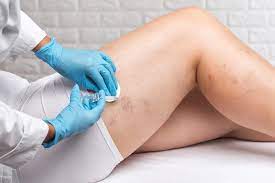
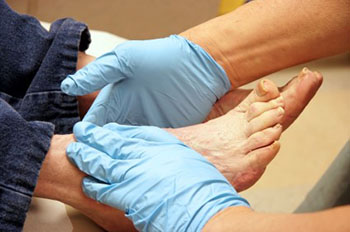
Dealing with a leg wound that won’t heal can be challenging. When a sore or ulcer on your leg lingers for weeks or months, it often indicates an underlying issue that standard wound care alone cannot resolve. While keeping a wound clean and covered is a basic part of treatment, true healing often depends on addressing the root cause. Here are three benefits of specialized vascular care for chronic leg wounds:
1. Addresses Plaque
A common reason for poor healing in the lower limbs is the buildup of plaque inside the arteries. Peripheral artery disease (PAD) narrows the blood vessels and restricts the flow of oxygen-rich blood to your legs and feet. Without adequate blood supply, tissues are deprived of the nutrients needed for repair, and wounds may fail to heal.
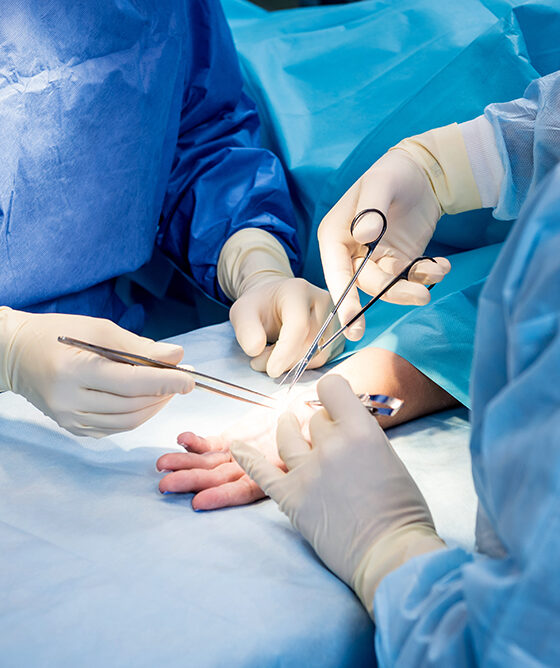
Angioplasty is often used to combat this issue. During angioplasty, a specialist guides a catheter with a tiny balloon at its end through the blood vessel to the site of the blockage. The balloon is then inflated, compressing the plaque against the artery walls and widening the passage. In some cases, a metal tube called a stent is placed in the artery to help it remain open. By clearing the path for blood flow, this treatment helps create the conditions necessary for healing.
2. Restores Circulation
Restoring proper circulation is the primary objective of many vascular interventions for wound care. Endovascular revascularisation encompasses a group of minimally invasive techniques that re-establish blood flow to the legs. Techniques include atherectomy, a procedure that uses a specialized device to shave away or remove plaque from within the artery. These treatments are performed from inside the blood vessels, requiring only a small incision. Because these methods are less invasive than traditional surgery, patients often experience less discomfort and a shorter recovery time. Restoring blood flow supports the body’s natural healing capabilities, allowing oxygen and nutrients to reach the wounded tissue.
3. Treats Vein Damage
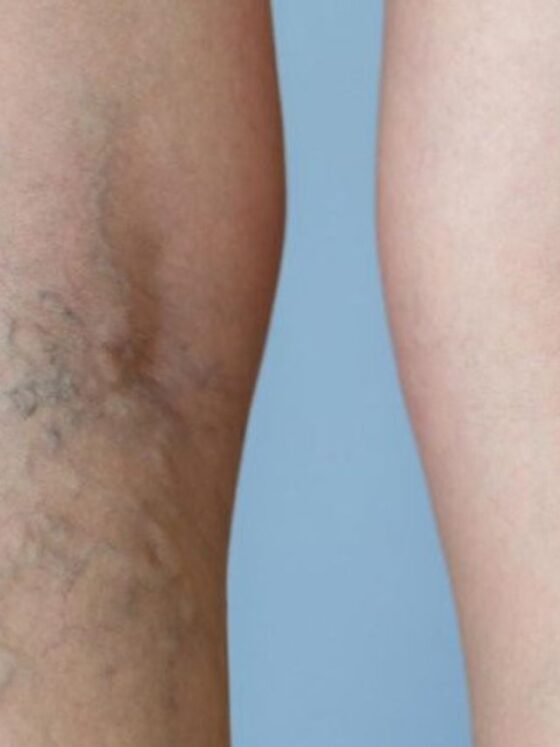
Artery blockages are not the only circulatory issue that can lead to chronic leg wounds. Sometimes, the problem lies within the veins. A condition called chronic venous insufficiency (CVI) occurs when the valves in your leg veins become damaged and are unable to effectively pump blood back toward the heart. This causes blood to pool in the lower legs, leading to:
- Increased pressure
- Swelling
- Skin discoloration
- The formation of venous ulcers
To address this, venous ablation may be performed. Venous ablation uses energy, typically from a laser or radiofrequency, to heat and close the damaged vein. Once the malfunctioning vein is sealed, blood flow is redirected through healthier, surrounding veins. This reduces pressure and swelling in the leg, alleviating the conditions that cause venous ulcers and allowing wounds a chance to heal.
Combining Vascular Procedures and Wound Care
A comprehensive strategy for treating chronic leg wounds integrates specialized vascular treatments with consistent wound management. Addressing the underlying circulatory issue is a foundational step, as procedures like angioplasty, revascularisation, and ablation work to restore healthy blood flow. This creates an internal environment that allows the body’s healing mechanisms to function properly. If you have a non-healing leg wound, schedule an appointment with an endovascular specialist today.
- Family Medicine’s Focus on Mental Health and Wellness
- Understanding the Different Types of Arthritis and Their Impact on Daily Life
- The Benefits of Building a Long-Term Relationship with Your Family Doctor
- Tips for Celebrating Milestone Achievements for Children With Cerebral Palsy
- The Role of Peptide Therapy in Modern Health and Wellness