Prevention and Treatment Options for Back Pain in Athletes
Athletes often push their bodies to the limit, which can lead to various injuries. While back pain is a common complaint, a neck injury also presents a significant challenge for active individuals. These injuries may stem from sudden impacts, repetitive strain, or poor mechanics during training and competition. Here are some prevention and treatment options for back pain in athletes:
Preventing Back Pain
Athletes can take proactive steps to lower their risk of developing back pain. Proper warm-up routines prepare muscles for activity, increasing blood flow and flexibility. A warm-up might include light aerobic exercise, followed by dynamic stretching specific to the sport. Incorporating core strengthening exercises helps build stability in the torso, which supports the spine during movement. These exercises help provide a solid foundation and reduce the likelihood of injury during strenuous activity.
Maintaining correct form and technique during lifts and sport-specific actions helps reduce strain on the lower back. Weightlifters should focus on keeping the back straight and the core engaged to distribute force evenly. Poor technique, such as rounding the back or lifting too much weight, often leads to muscle strain or significant injuries. Flexibility is another key component of prevention; a tight muscle group can pull on the pelvis and spine, leading to discomfort. Regular stretching helps maintain a balanced musculoskeletal system.
Cross-training is an effective way for athletes to reduce repetitive-use injuries. Rotating through exercises like swimming, cycling, or yoga allows the body to recover while maintaining fitness. Listening to your body and allowing for adequate rest and recovery between intense training sessions gives tissue time to repair, reducing the likelihood of overuse injuries.
Treating Back Pain
When back pain occurs, a range of treatment options is available to help manage symptoms and support recovery. Initial management often includes rest from aggravating activities and the application of ice to reduce inflammation. Over-the-counter pain relievers may offer temporary relief from discomfort.
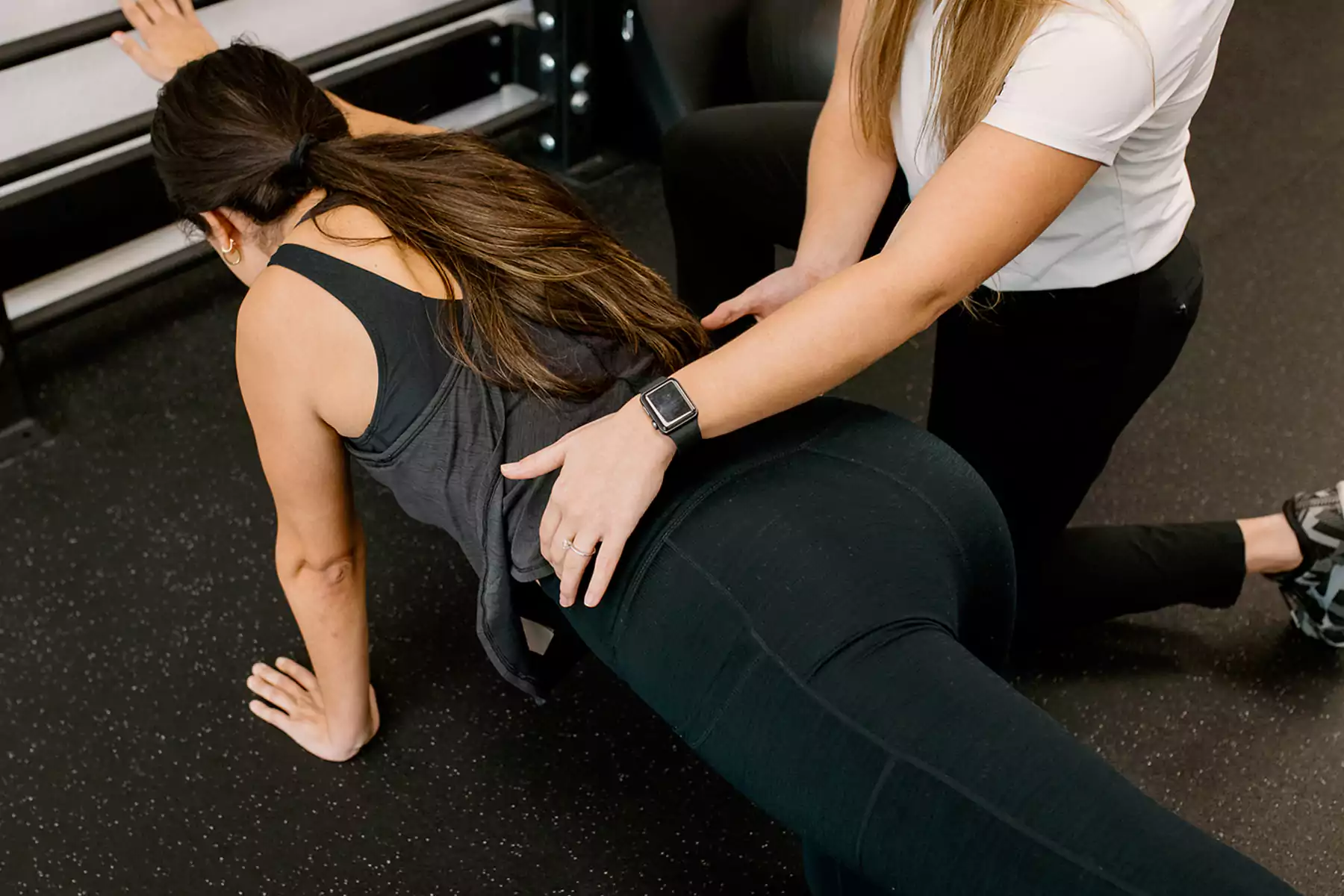
As the initial pain subsides, physical therapy is often introduced to support long-term recovery. A physical therapist guides athletes through specific exercises designed to restore mobility, improve strength, and correct movement patterns contributing to the pain. For persistent or severe pain, more advanced medical interventions are often helpful. Diagnostic imaging, targeted injections, or interventional procedures can be beneficial depending on the back or neck injury you have. Some options include:
Getting Steroid Injections
Cervical transforaminal and interlaminar epidural steroid injections are treatment options for managing neck pain that can radiate into the arms. In a cervical transforaminal injection, corticosteroid medication is injected near the nerve root exiting the spine, targeting specific areas of inflammation. In a cervical interlaminar injection, the medication is delivered into the epidural space at the back of the cervical spine, providing broader coverage. These procedures are typically performed using imaging for precision and aim to reduce inflammation, relieving pain.
Using Radiofrequency Ablation
Radiofrequency ablation (RFA) is a minimally invasive procedure used for chronic back pain originating from the facet joints. During RFA, a physician uses heat generated by radio waves to create a lesion on a specific nerve. This process temporarily interrupts the pain signals sent from that nerve to the brain. After RFA, athletes might return to physical therapy and other supportive care measures to maintain progress and prevent the recurrence of pain.
Find Neck Injury Relief
Both back and neck injuries present unique challenges for athletes, affecting performance and overall well-being. Managing these injuries may involve exercises, physical therapy, or advanced treatments. These approaches aim to reduce discomfort and restore function, so you can return to your sport. Contact a pain management specialist today to schedule an appointment.
- Family Medicine’s Focus on Mental Health and Wellness
- Understanding the Different Types of Arthritis and Their Impact on Daily Life
- The Benefits of Building a Long-Term Relationship with Your Family Doctor
- Tips for Celebrating Milestone Achievements for Children With Cerebral Palsy
- The Role of Peptide Therapy in Modern Health and Wellness