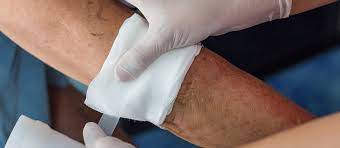
Special Considerations For Wound Care in Diabetic Patients
For diabetic patients, even minor wounds can become serious without proper care and treatment. Beyond traditional wound care methods, advanced treatments such as hyperbaric therapy can significantly accelerate healing and help prevent complications. Here’s how hyperbaric therapy supports wound care in diabetic patients:
Treating Diabetic Wounds
Diabetic wounds require extra attention because diabetes alters how the body functions. High blood sugar damages nerves, which means people with diabetes may not feel pain from cuts or injuries. This lack of sensation, called neuropathy, makes it easy to miss wounds until they become infected or worsen.
Diabetes also affects blood flow. Poor circulation means less oxygen and fewer nutrients reach the wound site. Without proper oxygen and nutrients, wounds heal slowly or not at all. The immune system in diabetic patients may also be weaker, making it harder to fight off bacteria. These factors combined make diabetic wounds more likely to develop infections and other complications.
Exploring Effective Wound Care
Proper diabetic wound care requires several key elements working together. These include:
- Blood sugar control: Keep blood sugar levels within target ranges. This helps the body heal and fight infections better.
- Regular wound cleaning: Gently clean the wound with mild soap and water to remove dirt and bacteria. Pat dry carefully without rubbing.
- Appropriate dressings: Use the appropriate bandage to keep the wound moist and protected. Your healthcare provider can recommend the best option.
- Pressure relief: Take weight off the affected area to prevent further damage. Special footwear or cushions may help.
- Infection monitoring: Watch for signs like redness, swelling, warmth, or unusual discharge. Report changes to your doctor quickly.
Each of these components plays a significant role in the healing process. Missing one element can slow recovery or lead to complications.
Managing Healing With Hyperbaric Support
Hyperbaric oxygen therapy (HBOT) can significantly improve the healing of diabetic wounds. This therapy works by having patients breathe 100% oxygen in a pressurized chamber. The pressure allows oxygen to travel farther into damaged tissues, reaching areas with poor blood flow. The benefits of hyperbaric therapy for diabetic wounds include:
- Increased oxygen delivery: High levels of oxygen reach deep into wound tissues, supercharging healing cells and helping them work effectively.
- Bacterial reduction: The extra oxygen is toxic to many types of wound bacteria, helping fight infections naturally.
- Improved circulation: The therapy can stimulate the growth of new blood vessels, bringing more nutrients to the wound site.
- Reduced swelling: Hyperbaric oxygen therapy helps decrease inflammation around the wound.
Hyperbaric therapy is helpful for chronic wounds that have low oxygen levels and haven’t responded well to other treatments.
Reducing Risks With Preventive Measures
Prevention is just as key as treatment when it comes to diabetic wounds. Daily foot inspections help detect problems early. Look for cuts, blisters, redness, or any changes in the skin and use a mirror to check the bottoms of your feet if needed.
Proper footwear protects feet from injury. Shoes should fit well without rubbing or pinching. Avoid walking barefoot, even indoors. Socks should be clean, dry, and free of holes or tight elastic bands that restrict blood flow.
Moisturizing dry skin prevents cracks that can become entry points for bacteria. Apply lotion to feet and legs, but avoid putting it between toes, where excess moisture can lead to fungal infections. Trim toenails straight across and file the edges to prevent ingrown nails.
Schedule Your Hyperbaric Therapy Session
Diabetic wounds require specialized care that addresses the unique challenges diabetes creates. Proper wound cleaning, blood sugar control, and appropriate treatments, such as hyperbaric therapy, can significantly improve healing outcomes. If you have a diabetic wound that isn’t healing well, contact a wound care specialist near you to schedule your hyperbaric therapy session today.
- Family Medicine’s Focus on Mental Health and Wellness
- Understanding the Different Types of Arthritis and Their Impact on Daily Life
- The Benefits of Building a Long-Term Relationship with Your Family Doctor
- Tips for Celebrating Milestone Achievements for Children With Cerebral Palsy
- The Role of Peptide Therapy in Modern Health and Wellness