Exploring Non-surgical Options for Varicose Veins
Varicose veins affect millions of people, appearing as twisted, enlarged veins visible beneath the skin’s surface. These veins typically develop in the legs and feet, where blood must work against gravity to return to the heart. Understanding varicose veins, their causes, and available treatment options can help you make informed decisions about managing this common vascular condition.
What Are Varicose Veins?
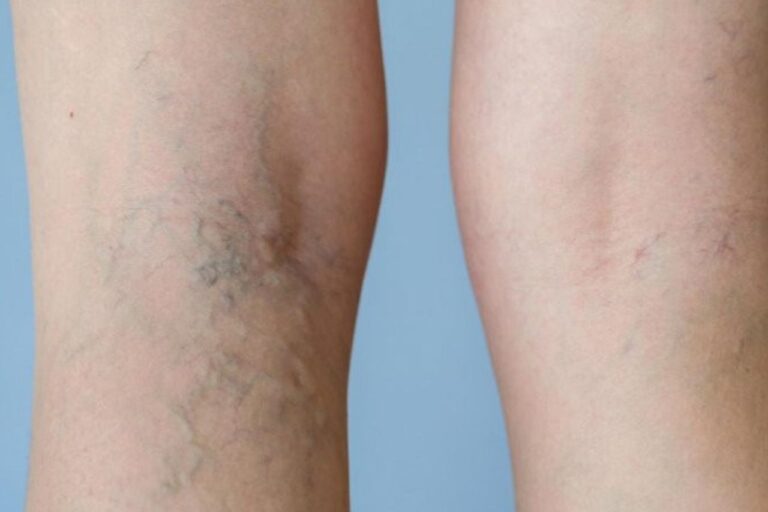
Varicose veins are enlarged, twisted veins that appear blue or dark purple beneath the skin. They develop when one-way valves inside the veins weaken or become damaged, allowing blood to flow backward and accumulate in the veins. This pooling of blood causes the vein walls to stretch and become visible through the skin. The condition differs from spider veins, which are smaller and closer to the skin’s surface.
What Causes Them?
Several factors contribute to the development of this condition, with genetics playing a significant role in determining personal risk. Age increases the likelihood of developing varicose veins as vein walls naturally weaken over time. Women face higher risks due to hormonal changes during pregnancy, menstruation, and menopause that can affect the strength of the vein walls.
Prolonged standing or sitting restricts blood flow and increases pressure on leg veins, while obesity adds extra weight that puts additional pressure on the circulatory system. Pregnancy increases blood volume and hormonal changes that can weaken the walls and valves of veins. Consulting a specialist aids in diagnosis and treatment.
What Are the Symptoms?
The most apparent symptom of varicose veins is their visible appearance as bulging, twisted veins beneath the skin. Some people experience aching or heavy feelings in their legs, especially after prolonged periods of standing or sitting. Throbbing, burning, or cramping sensations in the lower legs may accompany the visible signs. Skin color changes around the affected veins may develop over time, and some individuals experience restless legs or muscle cramps, particularly at night.
What Are the Treatment Options?
Treatment approaches range from conservative self-care measures to medical procedures. Increasing daily exercise strengthens calf muscles and improves blood circulation throughout the legs. Regular physical activity also helps maintain a healthy body weight and reduces pressure on the circulatory system. Making changes to your diet can support vascular health and reduce inflammation.
Compression socks apply external pressure, which helps improve blood circulation and reduce swelling. Medical procedures offer more direct treatment approaches for problematic varicose veins. Sclerotherapy involves injecting a solution directly into the affected vein, causing it to close and fade over time. This minimally invasive procedure requires no anesthesia, allowing patients to return to their normal activities quickly.
Endovenous ablation uses heat energy to seal problematic veins closed, redirecting blood flow to healthier veins. This procedure typically takes less than an hour and requires only local anesthesia. Varithena is another treatment option that uses medical foam to close affected veins. The foam displaces blood within the vein, causing the vein walls to collapse.
Explore Non-surgical Options Today
Varicose veins represent a common vascular condition with multiple treatment options available. Conservative measures, such as compression socks, exercise, and dietary changes, can provide symptom relief for mild cases. Advanced medical procedures provide effective solutions for more severe cases.
A professional evaluation enables personalized treatment recommendations tailored to your specific condition and individual needs. Early intervention can prevent progression and reduce the risk of complications. Consult a vascular specialist to discuss your symptoms and explore the most suitable treatment options for your specific situation.
- Family Medicine’s Focus on Mental Health and Wellness
- Understanding the Different Types of Arthritis and Their Impact on Daily Life
- The Benefits of Building a Long-Term Relationship with Your Family Doctor
- Tips for Celebrating Milestone Achievements for Children With Cerebral Palsy
- The Role of Peptide Therapy in Modern Health and Wellness