Symptoms, Treatment, and Prevention for Seasonal Allergies
Seasonal allergies are a common condition that occurs during specific times of the year when plants release pollen. For many, this can mean discomfort in the spring with tree pollen, in the summer with grass pollen, or in the fall with ragweed pollen. Understanding the nature of seasonal allergies, their symptoms, and available management strategies can help individuals navigate these periods with greater comfort.
What Are Seasonal Allergies?
Seasonal allergies are a response by the body’s immune system to airborne substances that are present during certain seasons. When a person with a sensitive immune system inhales these allergens, their body may react in a specific way. Common allergens include pollens from trees, grasses, and weeds. Other substances, such as outdoor mold spores, can also trigger allergic reactions. Dust mites and pet dander may cause symptoms year-round. The immune system of an allergic person identifies these normally harmless particles as a threat. This initiates a response that leads to allergy symptoms.
What Are the Symptoms?
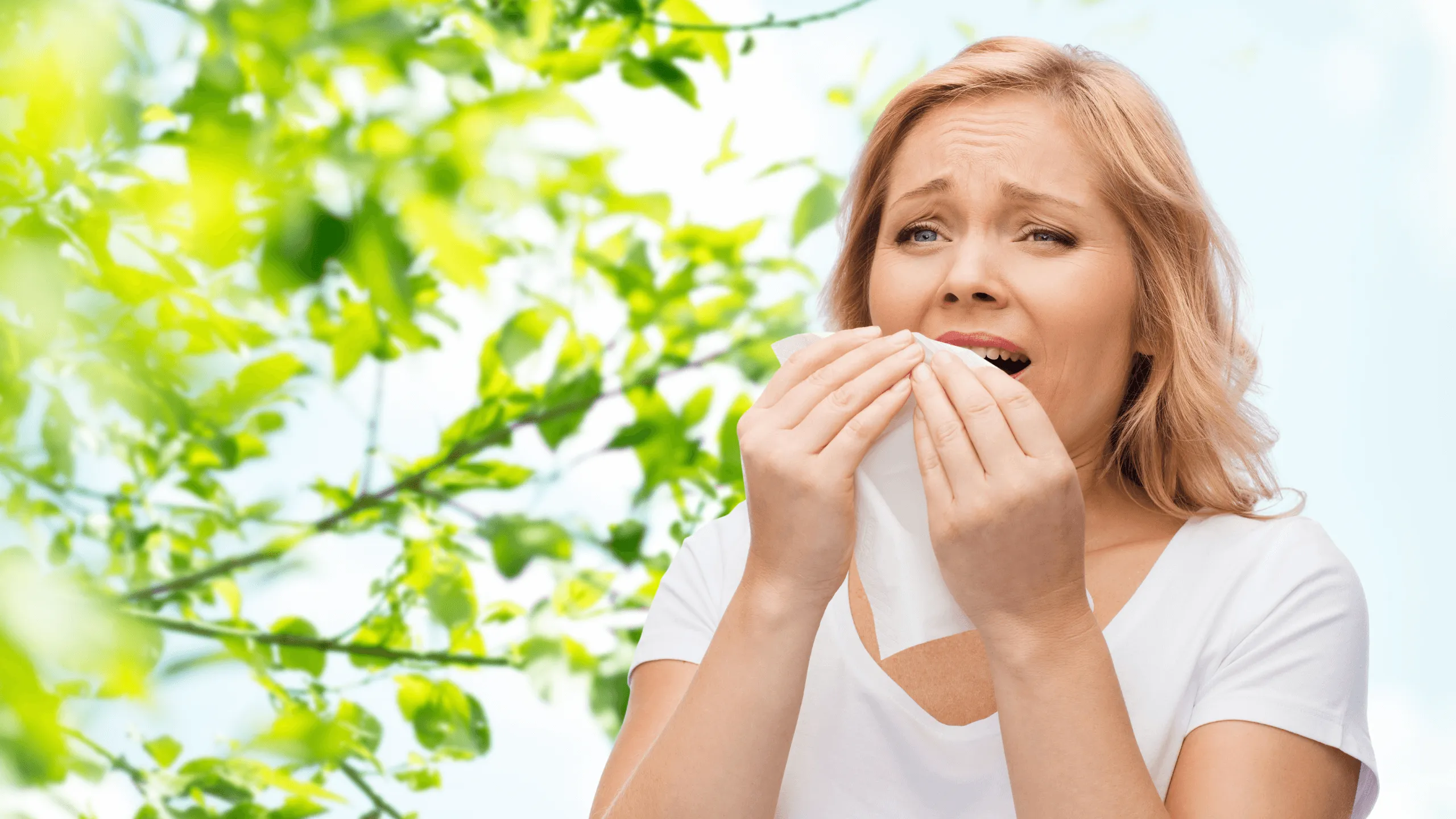
The symptoms of seasonal allergies can vary from one person to another and may range in severity depending on the individual and their level of exposure to allergens. Common presentations often affect the respiratory system and eyes. These symptoms include:
- Persistent sneezing
- A runny or stuffy nose (nasal congestion)
- Itchy or watery eyes
- Postnasal drip, which is the sensation of mucus draining down the back of the throat
- A persistent cough
- Fatigue or a general feeling of being unwell
The intensity of these symptoms can fluctuate. On days with high pollen counts, symptoms may become more pronounced.
How Are They Prevented and Treated?
Managing seasonal allergies involves a combination of preventive measures and treatment options designed to reduce exposure to allergens and symptoms. Lifestyle and environmental strategies can limit contact with pollen. Keeping windows in your home and car closed during peak pollen seasons may prevent allergens from entering indoor spaces. Using high-efficiency particulate air (HEPA) filters in home ventilation systems or as standalone air purifiers can help remove pollen from the air. Showering and changing clothes after spending time outdoors washes away pollen from your skin and hair, preventing it from spreading inside your home.
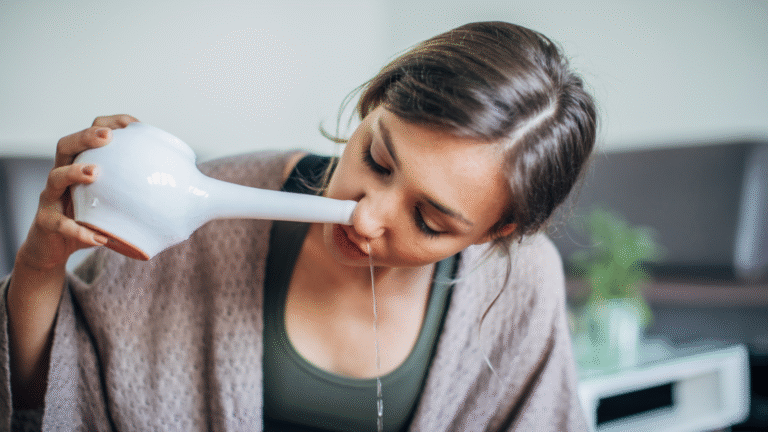
Several over-the-counter options are available to help manage symptoms. Antihistamines work by blocking histamine, a chemical the body releases during an allergic reaction, and can help alleviate symptoms such as sneezing, itching, and a runny nose. Intranasal corticosteroid sprays may help reduce inflammation in the nasal passages, thereby relieving stuffiness and other nasal symptoms. Decongestants, available as pills or nasal sprays, can provide short-term relief from nasal congestion. Saline nasal rinses may also be used to flush pollen and mucus from the nasal passages.
Speak Further With a Doctor
While the strategies mentioned may offer relief, a thorough evaluation by a physician provides a more personalized approach to managing seasonal allergies. A doctor may perform tests to identify the specific allergens causing your symptoms. Based on this information, they can recommend a tailored management plan. For some individuals with persistent or severe allergies, a clinician may discuss other treatment options. This long-term treatment involves gradually exposing the body to allergens to help it become less sensitive over time.
- Family Medicine’s Focus on Mental Health and Wellness
- Understanding the Different Types of Arthritis and Their Impact on Daily Life
- The Benefits of Building a Long-Term Relationship with Your Family Doctor
- Tips for Celebrating Milestone Achievements for Children With Cerebral Palsy
- The Role of Peptide Therapy in Modern Health and Wellness