
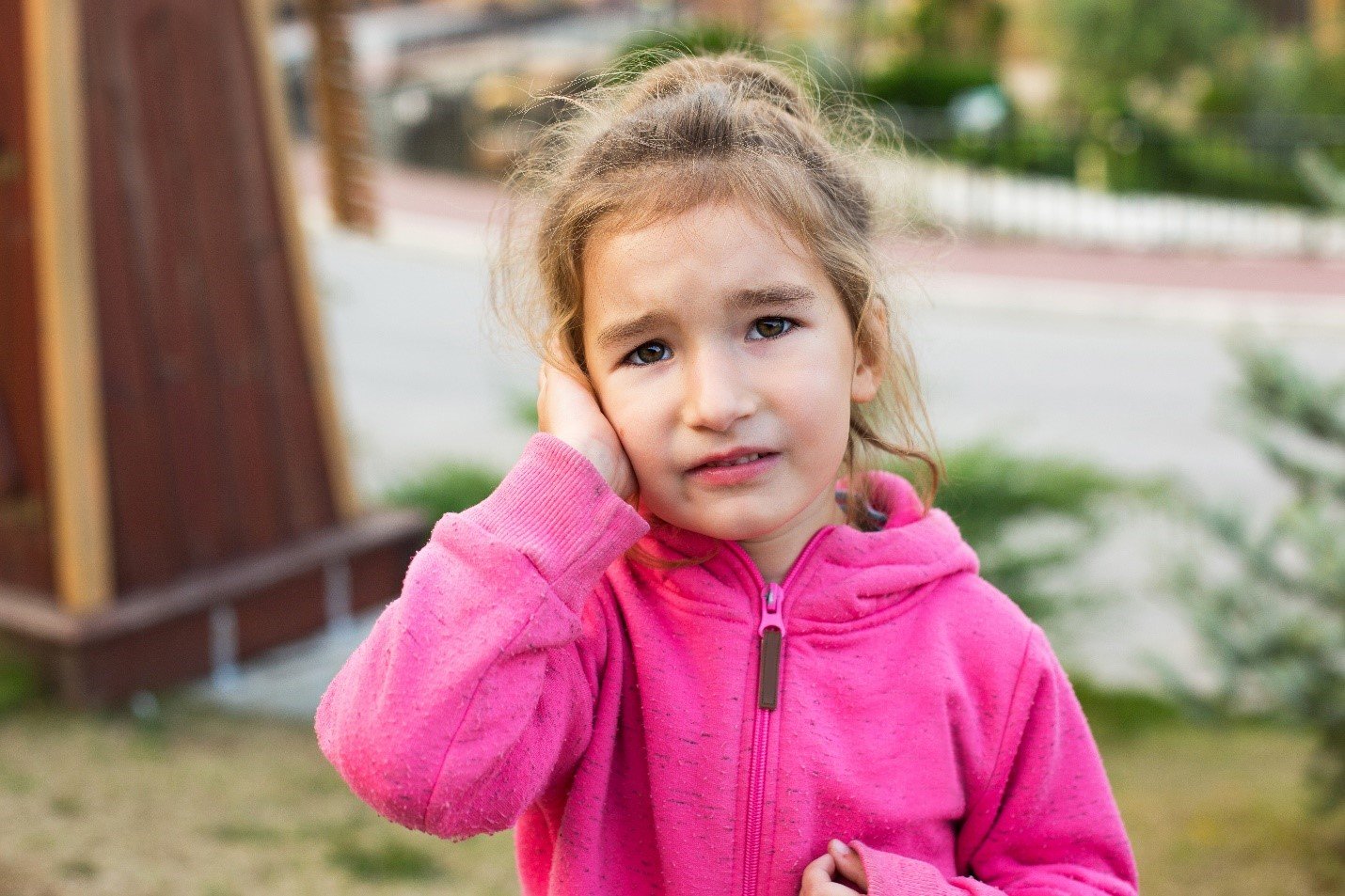
Tips for Preventing Ear Infections in Children
Ear infections are a common concern for many parents, often causing discomfort and distress in young children. These infections, medically known as otitis media, occur when fluid builds up in the middle ear behind the eardrum, creating an environment that allows bacteria or viruses to grow. While many children will experience at least one ear infection, there are proactive measures parents can take to help reduce the frequency and severity of these infections.
Keep Ears Clean and Dry
Proper ear hygiene can help prevent an ear infection. To help minimize risk, try these steps:
- Keep ears clean and dry: After baths or swimming, gently dry your child’s outer ears with a soft towel. Trapped moisture can create an ideal environment for bacterial growth.
- Avoid inserting objects into the ear canal: Instruct children never to use cotton swabs or other objects inside their ear canals. This can push wax deeper, cause injury to the delicate ear structures, or disrupt the ear’s natural cleaning process. Focus hygiene efforts on the outer ear only.
Avoid Secondhand Smoke Exposure
Exposure to secondhand smoke is a significant risk factor for ear infections in children. The irritants in tobacco smoke can disrupt the function of the Eustachian tube, a small passage that connects the middle ear to the back of the throat. This tube plays a role in draining fluid and equalizing pressure, which are necessary for ear health.
Creating a smoke-free environment is one of the best ways to protect your child’s respiratory and ear health. It helps reduce inflammation, allowing the Eustachian tubes to work properly. Prioritizing a smoke-free space can lower the risk of infections in children.
Encourage Healthy Habits
General wellness plays a role in a child’s ability to fend off infections. A balanced diet and adequate rest support a strong immune system, which is the body’s primary defense against illness. Frequent hand washing can help minimize the spread of germs, especially after playing, before eating, and after coughing or sneezing. These simple habits can reduce the incidence of common colds and other respiratory illnesses that often precede these infections.
Stay Up to Date on Vaccines
Following a recommended vaccination schedule is a key component of preventive healthcare. Certain vaccines protect against viruses and bacteria that are common culprits behind ear infections. Two necessary immunizations in this regard are:
- Pneumococcal conjugate vaccine (PCV): This vaccine helps protect against a type of bacteria that can cause infections, meningitis, and pneumonia.
- Influenza vaccine (flu shot): Since these infections often follow respiratory illnesses like the flu, the annual flu vaccine can provide an indirect but valuable layer of protection.
Consult with your child’s pediatrician to make sure their vaccinations are current.
Prevent Ear Infections Before They Start
Taking preventative steps is a practical approach to managing your child’s risk of developing ear infections. By focusing on hygiene, maintaining a healthy environment, promoting wellness, and following immunization schedules, you can significantly reduce the likelihood of these painful episodes. These strategies collectively support your child’s overall health and well-being. If you have concerns about your child’s ear health, speak with a pediatrician to discuss a personalized prevention plan.
- Family Medicine’s Focus on Mental Health and Wellness
- Understanding the Different Types of Arthritis and Their Impact on Daily Life
- The Benefits of Building a Long-Term Relationship with Your Family Doctor
- Tips for Celebrating Milestone Achievements for Children With Cerebral Palsy
- The Role of Peptide Therapy in Modern Health and Wellness