
Common Causes and Treatments for Ankle Injuries
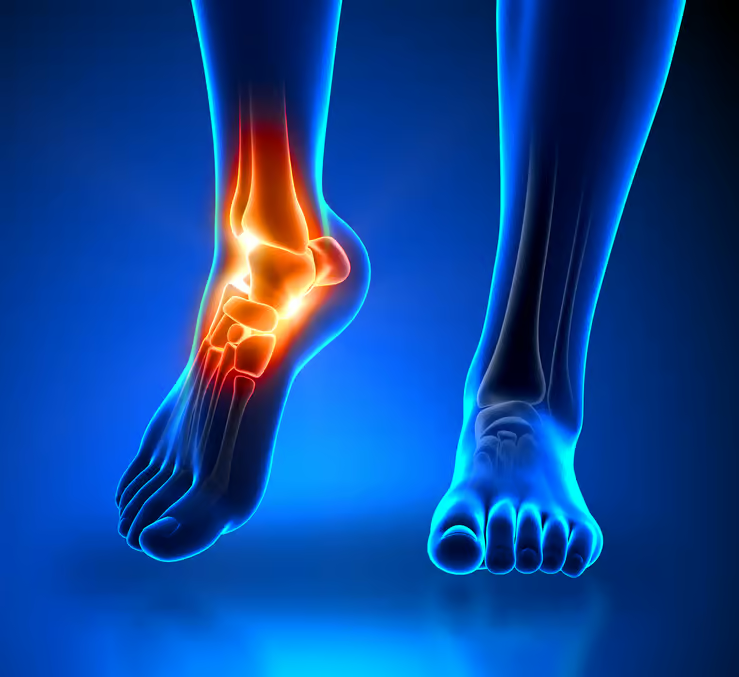
The ankle joint is a complex structure that plays a key role in movement and overall stability. It depends on the coordinated function of bones, ligaments, tendons, and muscles. Each part works together to support body weight and enable smooth movement, but an ankle injury can occur easily from sports or everyday activities. Here are several common causes and treatments for ankle injuries:
Types of Injuries
Ankle injuries involve harm to one or more components of the ankle joint, and the severity differs widely, from mild strains to significant structural problems. Classification may be based on which tissues are involved:
- Sprains: A sprain is a common ankle injury involving overstretched or torn ligaments, which are the fibrous bands that connect bones.
- Strains: Strains relate to injuries of muscles or tendons, the tissues connecting muscles to bones.
- Fractures: A fracture refers to a break in one or more of the ankle bones.
Symptoms such as swelling, pain, bruising, and restricted range of motion often accompany ankle injuries. The degree of these symptoms can reflect the nature and extent of the injury. Prompt evaluation by a healthcare professional is key; it helps confirm the diagnosis, guide appropriate treatment, and prevent complications.
Causes of Injuries
An individual may experience an ankle injury while participating in sports or daily activities. Some injuries occur due to unexpected twists, rolls, or impacts that apply abnormal force to the ankle joint. Strains may arise from a single incident or repeated minor stresses over time, and fractures are often caused by a notable force such as a fall or direct blow.
Among the key causes are athletic activities, such as those featuring jumping, quick directional changes, or running across uneven ground. Non-sporting scenarios may also trigger injuries; this includes tripping on an uneven surface or missing a step. Occupations or hobbies involving repetitive ankle strain sometimes contribute to long-term issues such as tendonitis or chronic pain.
Treatment Approaches
Management of ankle injuries depends on both the type and severity of the damage. The main goals are to promote healing, restore function, and prevent future problems. Many mild soft-tissue injuries respond well to self-care, and the R.I.C.E. protocol can effectively reduce swelling and discomfort immediately after injury. This method involves rest, ice, compression, and elevation.
In more severe cases or when symptoms persist, professional evaluation becomes fundamental, and early assessment helps prevent complications. A healthcare provider can conduct a physical exam and recommend diagnostic tests, such as X-rays, to better understand the injury. Depending on the results, treatment options include immobilization with a brace, guided exercise programs to rebuild strength and mobility, or surgical intervention for significant ligament tears or fractures. Foot doctors also provide orthotic devices; these help improve foot alignment and redistribute pressure. Structured rehabilitation programs can support a safe return to normal activity and help minimize the risk of reinjury.
Treat Your Ankle Injury Today
Ankle injuries result from damage to bones, ligaments, or tendons, and they can occur during everyday activities or sports. Treatment strategies vary based on the injury’s type and severity, ranging from simple home care to guided rehabilitation or surgical intervention. Early recognition and careful management are key to optimal recovery and long-term joint health. If you’re experiencing persistent pain, significant swelling, or difficulty bearing weight after an injury, schedule a professional evaluation today.
- Family Medicine’s Focus on Mental Health and Wellness
- Understanding the Different Types of Arthritis and Their Impact on Daily Life
- The Benefits of Building a Long-Term Relationship with Your Family Doctor
- Tips for Celebrating Milestone Achievements for Children With Cerebral Palsy
- The Role of Peptide Therapy in Modern Health and Wellness