Liposuction for Older Adults
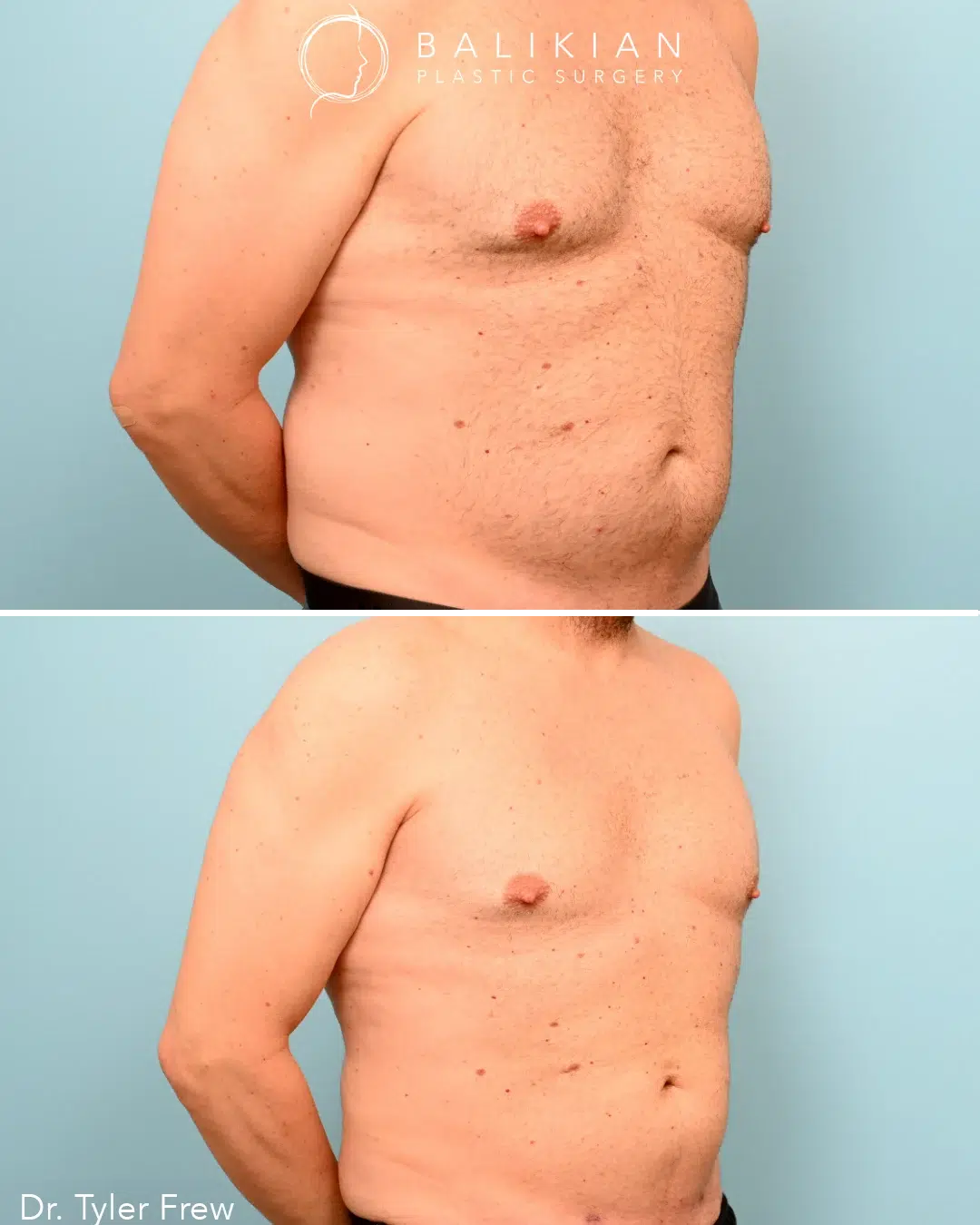
Liposuction is a cosmetic procedure that removes localized fat deposits to contour the body. While often associated with younger individuals, a growing number of older adults are exploring this option. This procedure is not a weight-loss solution but a method for body sculpting. For older individuals, understanding how age and health influence the outcome is a key part of the decision-making process.
How Does Age Affect Results?
Age can influence the outcome of a liposuction procedure, primarily due to changes in skin elasticity. As people age, their skin naturally loses some of its firmness and elasticity. This means that after fat removal, the skin may not conform as smoothly to the new, smaller contour as it would in a person of a younger age. The procedure still effectively removes fat, but the final aesthetic result is largely dependent on the skin’s condition.
The recovery process might also differ with age. While the procedure itself is consistent, the body’s healing capabilities can slow down over time. An older person might experience a longer period of swelling or bruising compared to a younger one. Following post-operative care instructions helps support the body’s natural healing process and contributes to a smoother recovery journey.
What Health Factors Matter Most?
Overall health is a significant determinant of suitability for any surgical procedure, including liposuction. A thorough evaluation of your health status helps a specialist determine if you are a good candidate. Certain underlying conditions can affect both the procedure and the recovery.
Below are some health factors a professional will review:
- Cardiovascular Health: A stable heart and circulatory system are needed to handle the stress of surgery and anesthesia.
- Diabetes: Well-managed diabetes is often acceptable, but uncontrolled blood sugar can complicate healing and increase infection risk.
- Skin Condition: The quality of your skin, including its elasticity and any pre-existing conditions, will affect the final appearance.
- Medications: Certain medications, such as blood thinners, may need to be adjusted before the procedure to minimize bleeding risks.
These factors provide a general overview of what a specialist will assess. Your complete medical history gives a clearer picture of your candidacy for liposuction.
How Do You Maintain Results?
Maintaining the results of liposuction involves a commitment to a stable and healthy lifestyle. The fat cells removed during the procedure are gone permanently, but the remaining fat cells may still expand if you gain weight. A consistent routine helps preserve your new body contours for the long term.
Adopting these habits can help you sustain your results:
- Follow a balanced diet
- Engage in regular physical activity
- Stay properly hydrated
- Maintain a stable weight
These lifestyle choices are not only for maintaining your liposuction results, but they also contribute to your overall well-being. A steady approach to health and wellness is the most effective way to enjoy the benefits of the procedure for years to come.
Consult a Liposuction Specialist
Liposuction can be an option for older adults who wish to address specific areas of fat. Age-related factors, such as skin elasticity and overall health status, play a role in the outcome and recovery process. A stable lifestyle helps in maintaining the new body shape. To understand if this procedure is right for you, schedule a consultation with a board-certified liposuction specialist. They can provide personalized guidance based on your specific health profile and goals.
- Family Medicine’s Focus on Mental Health and Wellness
- Understanding the Different Types of Arthritis and Their Impact on Daily Life
- The Benefits of Building a Long-Term Relationship with Your Family Doctor
- Tips for Celebrating Milestone Achievements for Children With Cerebral Palsy
- The Role of Peptide Therapy in Modern Health and Wellness