Long-Term Effects of Gallbladder Removal
The gallbladder is a small, pear-shaped organ situated beneath the liver. Its primary function is to store and concentrate bile, a digestive fluid produced by the liver. Bile helps the digestive system break down fats. When certain medical conditions affect the gallbladder, a surgeon may perform gallbladder removal surgery.
What Conditions Affect the Gallbladder?
Several conditions can impair the gallbladder’s function, leading to symptoms that may prompt a medical evaluation. One of the most common issues is the formation of gallstones. These are hard, pebble-like deposits that develop within the gallbladder. Gallstones range in size from as small as a grain of sand to as large as a golf ball. They may not cause any symptoms, but if they obstruct the bile ducts, they can lead to sudden discomfort.
Inflammation of the gallbladder, known as cholecystitis, is another condition. It is frequently caused by a gallstone blocking bile from leaving the gallbladder. The blockage traps bile, causing irritation and pressure that can lead to swelling and discomfort. Biliary dyskinesia is a functional disorder of the gallbladder. In this condition, the gallbladder is unable to empty bile properly, even though there may be no gallstones or other visible obstructions. This improper emptying can cause symptoms similar to those experienced with gallstones.
When Is Gallbladder Removal Necessary?
A physician may recommend gallbladder removal when a condition causes persistent, severe, or recurrent symptoms. The decision to proceed with surgery is based on a comprehensive evaluation of a person’s symptoms, diagnostic test results, and overall health. A surgeon performs this procedure to alleviate symptoms and prevent potential complications.
For individuals with symptomatic gallstones, removal of the gallbladder is a standard procedure. When gallstones cause repeated episodes of discomfort or lead to inflammation or infection, surgery may be suggested. In cases of acute cholecystitis, gallbladder removal is often performed to resolve the inflammation and prevent recurrence. For biliary dyskinesia, surgery may be offered after other potential causes for symptoms have been ruled out.
What Are the Long-Term Effects?
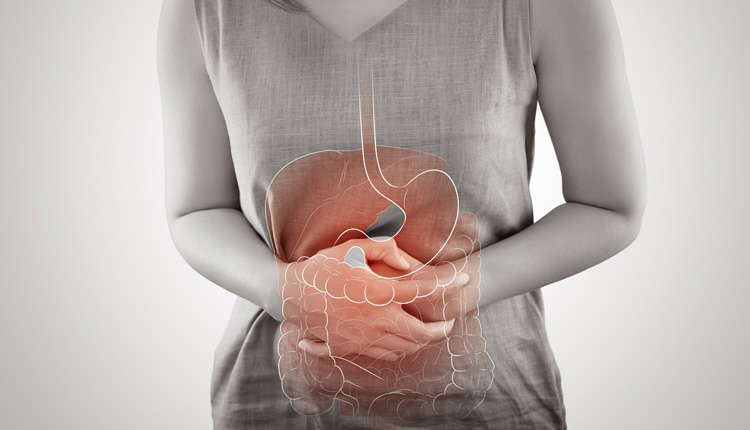
After the gallbladder is removed, the body adapts to a new way of processing fats. The liver continues to produce bile, but instead of being stored in the gallbladder, it flows directly into the small intestine from the liver. This change typically does not cause significant long-term digestive problems for most people, and they can resume a regular diet.
Some individuals may experience changes in their bowel habits after surgery. Because bile flows more continuously into the intestine, it can sometimes act as a laxative, leading to more frequent or looser stools. This effect is usually mild and improves over time as the body adjusts.
Dietary tolerance varies from person to person. While many people have no dietary restrictions, some may find that high-fat or greasy foods are initially more challenging to digest. It can be helpful to reintroduce these foods gradually to see how the digestive system responds.
Eating smaller, more frequent meals may also help the body manage the direct flow of bile more effectively. Many individuals can identify specific foods that trigger digestive upset and make lifestyle adjustments accordingly over time. Follow-up with a healthcare provider can offer personalized guidance for navigating these changes.
Speak Further With a Surgeon
Each person’s experience with gallbladder conditions and post-surgical recovery is unique. A thorough discussion with a surgeon provides personalized information based on your specific health profile. A surgeon can explain the details of the procedure, discuss the recovery process, and address questions about what to expect in the long term.
- Family Medicine’s Focus on Mental Health and Wellness
- Understanding the Different Types of Arthritis and Their Impact on Daily Life
- The Benefits of Building a Long-Term Relationship with Your Family Doctor
- Tips for Celebrating Milestone Achievements for Children With Cerebral Palsy
- The Role of Peptide Therapy in Modern Health and Wellness