Identifying Symptoms of Skin Allergies
A skin allergy happens when your immune system reacts to a harmless substance that touches your skin. This reaction causes an uncomfortable rash or other changes to the skin’s surface. Recognizing the specific signs is the first step toward finding relief, so learning what to look for will help you understand what could be happening. Here is more information about the symptoms of this condition to help you identify a potential skin allergy:
Redness and Swelling
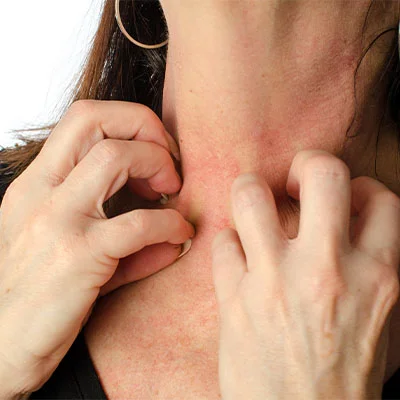
When your skin comes into contact with an allergen, it typically becomes red and swollen. You may notice this reaction immediately, or it may develop over several hours. This inflammation is a direct response from your immune system.
The affected area may feel warm to the touch. This symptom can appear in a distinct pattern, but sometimes the redness is widespread. Redness and swelling are immediate signs of allergic contact dermatitis, indicating an allergic reaction.
Bumps and Itchiness
Small bumps and persistent itchiness frequently accompany skin allergies. These bumps may appear as tiny pimples, and they sometimes ooze fluid if they are scratched open. You might find them clustered where the allergen touched your skin.
The itching can range from mild to intense. Itchiness is a standard complaint, so many people seek relief from this specific symptom. While resisting the urge to scratch is difficult, scratching may worsen the irritation and lead to further skin damage.
Outbreaks of Hives
An outbreak of hives is another sign of a skin allergy. Hives appear as raised, itchy welts on the skin that are often red or skin-colored. They appear suddenly and can change shape or location within a few hours, making them unpredictable.
Hives result from histamine release in the skin. This chemical release causes blood plasma to leak out of small blood vessels, leading to the welts. A single hive typically lasts less than 24 hours, but new ones may form as old ones fade.
Hives can be triggered by various factors, including certain foods, medications, insect stings, or even stress. Although they are associated with food or medication allergies, hives also result from direct skin contact with an allergen. Triggers for hives from skin contact include:
- Pollen
- Animal dander
- Latex
Skin Thickening
Long-term exposure to an allergen can cause your skin to change texture. The skin may become thick and leathery, a condition known as lichenification. This development happens over time, and it signals a chronic allergic reaction. Constant scratching of an itchy, allergic rash often leads to this thickened state because the skin tries to protect itself from repeated friction.
Treat a Skin Allergy
Understanding your symptoms is the initial step toward managing a skin allergy. A healthcare professional can help you identify the specific trigger, and they can provide a diagnosis after a complete evaluation. If you suspect you have a skin allergy because you are experiencing these symptoms, seeking a professional medical opinion is a productive next step. Contact a dermatologist or allergist to schedule a consultation and discuss your skin concerns.
- Family Medicine’s Focus on Mental Health and Wellness
- Understanding the Different Types of Arthritis and Their Impact on Daily Life
- The Benefits of Building a Long-Term Relationship with Your Family Doctor
- Tips for Celebrating Milestone Achievements for Children With Cerebral Palsy
- The Role of Peptide Therapy in Modern Health and Wellness