
The Role of Dialysis Access in Kidney Health
When the kidneys are not able to filter the blood efficiently, dialysis becomes necessary. Dialysis access is a surgically created entry point that connects directly to your bloodstream, promoting effective treatment. This connection enables medical teams to perform the repeated procedures necessary for ongoing dialysis treatments, thereby making dialysis a viable option. Here is more information about the role of this procedure:
Purifying Blood
The kidneys play a central role in maintaining overall health. They purify your blood and remove harmful waste products from your system every day. When the kidneys are unable to function correctly, toxins begin to accumulate, which can lead to fatigue, weakness, or illness.
The body reacts quickly to poorly filtered blood. This can cause problems, and symptoms may appear after a short time. In this scenario, intervention is needed because a person’s health depends on blood purification.
A well-functioning dialysis access site provides a practical way for medical staff to remove and return significant amounts of blood during each session. Your care team works to monitor the site’s condition, and they may recommend adjustments. These are designed to support a smoother experience.
Allowing Hemodialysis
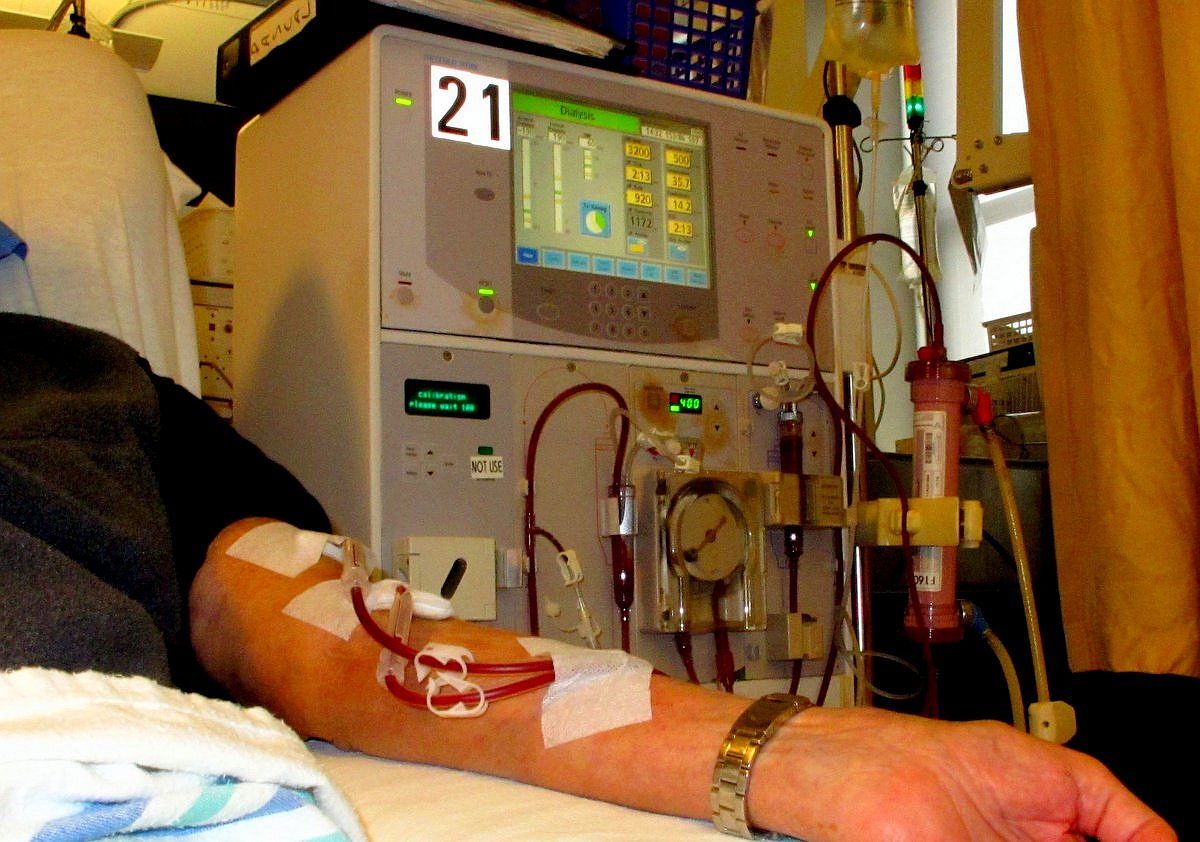
A dialysis access site allows medical professionals to connect your bloodstream to a dialysis machine reliably. The machine, known as a dialyzer, replaces the function of your kidneys by filtering blood outside the body. Blood is drawn from your bloodstream, passes through the dialyzer for cleaning, and is returned to you.
Hemodialysis treatments typically occur several times a week, often lasting for hours at a time. A stable access site helps this procedure run more smoothly and minimizes complications. Proper care of your access site may reduce the risk of infection and extend its usefulness. Discuss with your care team the ideal ways to maintain healthy access at home.
Removing Toxins
High blood flow is necessary for the dialysis process to function effectively. The machine requires an access site that allows for fast and constant blood flow. Inadequate flow may result in less efficient toxin removal, which can impact the outcomes of hemodialysis.
Dialysis access works by creating a dependable point for drawing and returning blood. The dialyzer removes waste, excess fluid, and toxins during each session, and the access site is what enables this process. To maintain efficient hemodialysis, the reliability of that access site is key. An access point facilitates a high rate of blood exchange in a short timeframe. Three main reasons this procedure is necessary are:
- Reliable blood flow
- Safe insertion for needles
- Consistent dialysis sessions
Improving Outcomes
Receiving the correct type of dialysis access supports the overall treatment plan for patients with kidney disease. While this step will not cure the underlying kidney problem, it promotes ongoing treatment and can help decrease the risk of infection with proper care. There are three main types:
- AV fistula
- AV graft
- Venous catheter
Each option has specific advantages, and your healthcare provider will explain which works best for you and how to care for the site at home.
Schedule Dialysis Access Today
Your dialysis access is a key step in managing kidney disease and supporting your treatment. Proper care helps protect both the site and your health. If you are preparing for hemodialysis, schedule your procedure in advance. Contact a vascular specialist to start the conversation about your options and take an active step in managing your kidney health.
- Family Medicine’s Focus on Mental Health and Wellness
- Understanding the Different Types of Arthritis and Their Impact on Daily Life
- The Benefits of Building a Long-Term Relationship with Your Family Doctor
- Tips for Celebrating Milestone Achievements for Children With Cerebral Palsy
- The Role of Peptide Therapy in Modern Health and Wellness