
Understanding the Complications of Untreated Ingrown Toenails
An ingrown toenail occurs when the side or corner of a toenail grows into the soft flesh of the toe. This condition most commonly affects the big toe, but any toe can be affected. Understanding ingrown toenails is the first step toward finding relief and preventing future occurrences. Here is more information on the condition, its causes, symptoms, and available treatments:
What Are Ingrown Toenails?
Ingrown toenails develop when the nail plate pierces the surrounding skin, and this penetration causes a foreign body reaction. The body responds to the nail as if it were an external object, leading to swelling and redness. This process can make walking and wearing shoes very painful.
The condition ranges from a minor annoyance to a severe medical issue, especially if it becomes infected. The nail may curve downward and grow deep into the skin, or the skin on the side of the nail may grow over the nail edge. Both scenarios result in the same painful outcome, and they require attention to resolve.
What Causes Them?
Several factors contribute to the development of an ingrown toenail, often related to footwear or improper nail care. Shoes that are too tight or narrow can crowd the toes, causing the nail to press into the skin. Socks that are too tight can likewise apply constant pressure, so choosing appropriate footwear is a preventative measure.
Improper nail trimming is another frequent cause; cutting toenails too short or rounding the edges encourages the nail to grow into the skin. Certain individuals have a genetic predisposition to curved toenails, making them more susceptible to this condition. Foot injuries or trauma near the nail can also lead to an ingrown toenail, and repetitive stress from certain activities is another factor.
What Are the Symptoms?
The initial symptoms of an ingrown toenail are often mild, and they include pain when pressure is applied to the toe. The skin surrounding the nail may become tender, swollen, and hardened. As the condition progresses, the area becomes more inflamed and red, and individuals may experience persistent discomfort. If the ingrown toenail becomes infected, the symptoms will intensify.
What Are the Complications?
Left untreated, an ingrown toenail can lead to more serious complications. For individuals with poor blood flow to their feet, such as those with diabetes, an ingrown toenail poses a greater risk. A minor foot injury can develop into a severe ulcer or open sore that fails to heal correctly, so proactive foot care is necessary. This can lead to tissue decay if not managed correctly.
What Are the Treatment Options?
Treatment for an ingrown toenail depends on its severity. For mild cases, home care may be sufficient. Soaking the foot in warm water several times a day can help reduce swelling, and gently lifting the edge of the nail encourages it to grow above the skin edge.
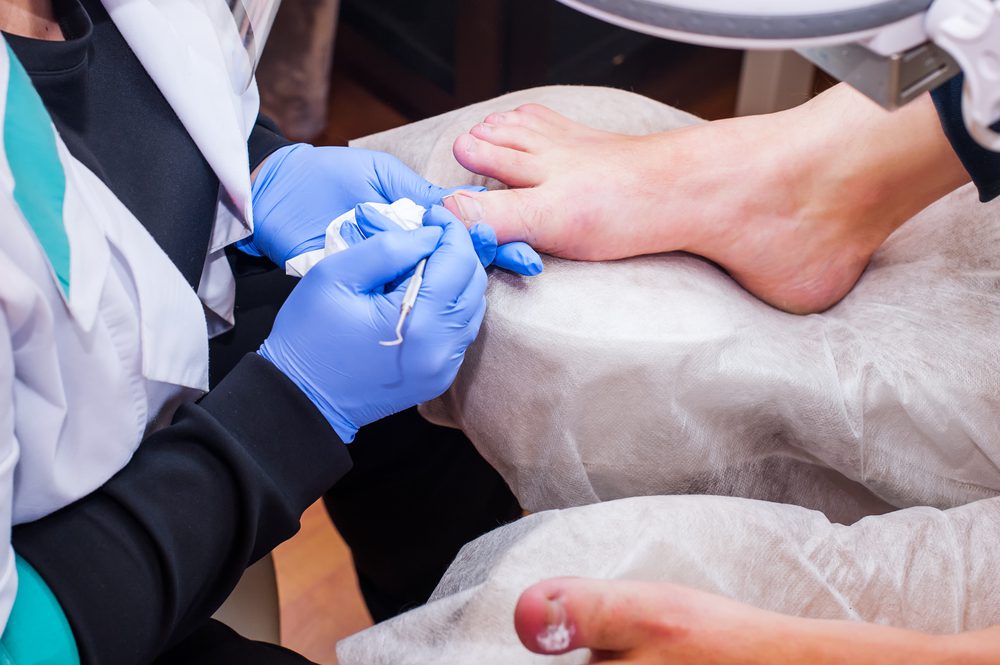
For more severe or infected cases, professional medical treatment is recommended. A podiatrist may lift the nail and place cotton or a splint under it to separate the nail from the overlying skin. In some cases, a minor surgical procedure may be necessary to partially or entirely remove the nail to resolve the issue.
Treat Your Ingrown Toenail
Understanding the causes and symptoms of an ingrown toenail allows for early intervention and prevention. If you experience persistent pain, signs of infection, or have underlying health conditions like diabetes, consult a podiatrist. A medical professional can provide a diagnosis and recommend the most suitable treatment plan for your specific situation.
- Family Medicine’s Focus on Mental Health and Wellness
- Understanding the Different Types of Arthritis and Their Impact on Daily Life
- The Benefits of Building a Long-Term Relationship with Your Family Doctor
- Tips for Celebrating Milestone Achievements for Children With Cerebral Palsy
- The Role of Peptide Therapy in Modern Health and Wellness