Causes and Treatment Solutions for Knee Pain in Older Adults
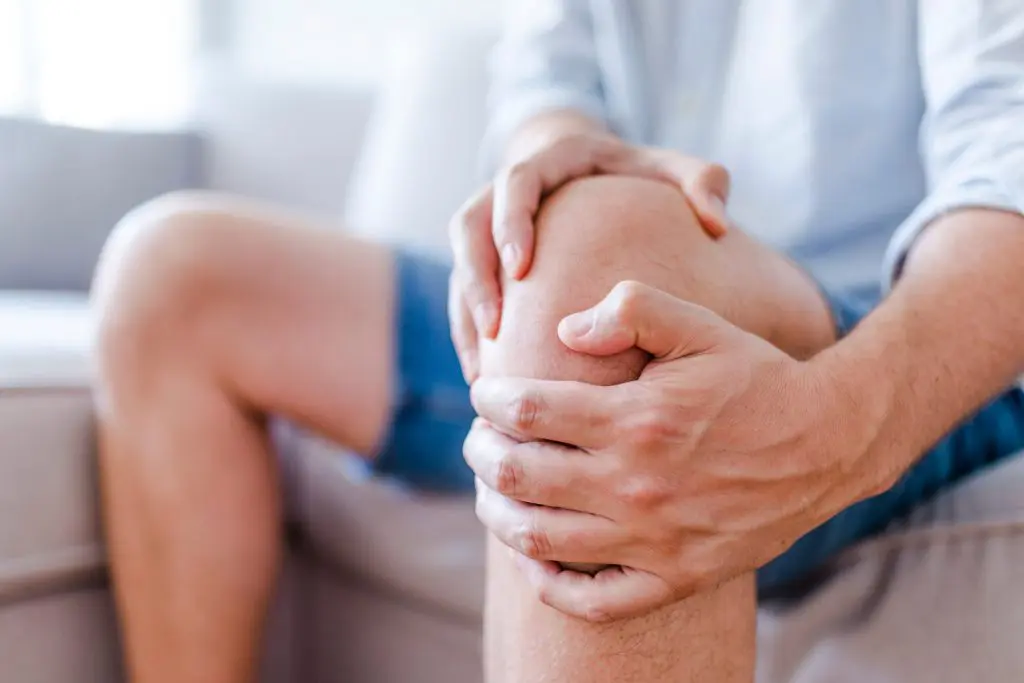
While occasional aches might seem like a normal part of getting older, persistent knee pain can signal underlying issues that require attention. The knee joint bears immense stress throughout a lifetime of walking, running, and standing. This wear and tear naturally impacts the cartilage, ligaments, and bones that facilitate smooth movement. Understanding the origins of this discomfort helps older adults make informed decisions about their health.
What Causes Knee Pain?
Several factors contribute to knee pain in older populations. Acute injuries can cause discomfort for a period of time. Chronic conditions usually play a larger role in persistent discomfort.
Osteoarthritis
Osteoarthritis is one of the most prevalent causes of knee issues among seniors. This degenerative joint disease occurs when the protective cartilage cushioning the ends of the bones wears down over time. Without this buffer, bones rub against each other. This leads to stiffness, swelling, and significant pain.
Tendinitis
Tendons are the thick cords that attach muscles to bones. As the body ages, tendons become less flexible and more prone to inflammation. Repetitive motions, such as cycling or jogging, often trigger this condition.
Bursitis
Small fluid-filled sacs called bursae cushion the outside of the knee joint so that tendons and ligaments glide smoothly over the joint. Inflammation of these bursae, known as bursitis, leads to swelling and pain. Kneeling for long periods or sustaining a direct blow to the knee often results in this painful condition.
How Is It Treated?
Management strategies for knee pain vary depending on the severity and underlying cause. Physicians typically recommend starting with conservative approaches before exploring invasive options. Weight management plays a role in knee health. Losing even a small amount of weight can dramatically reduce the load on the knees.
Radiofrequency Ablation
For some individuals with chronic knee pain that has not improved with conservative measures, radiofrequency ablation may be an option. This minimally invasive procedure uses targeted radiofrequency energy to disrupt nerves responsible for transmitting pain signals from the knee. Patients often experience reduced discomfort, enabling greater participation in daily activities.
Artery Embolization
Genicular artery embolization is another specialized technique emerging as a treatment for knee pain. This can be particularly the case when inflammation increases blood flow to the knee joint. By selectively blocking specific small arteries, this procedure may help to reduce pain and swelling associated with chronic conditions.
When Should You Seek Treatment?
Ignoring knee pain rarely leads to improvement. Early intervention can prevent minor issues from becoming debilitating conditions. You should schedule an appointment with a healthcare provider if the pain limits your ability to perform daily activities.
Watch for specific warning signs. Significant swelling, redness, or warmth around the joint indicates active inflammation. If the knee gives way or feels unstable when you put weight on it, or if you cannot fully extend or flex the leg, medical evaluation is necessary. Sudden, severe pain associated with an injury also warrants immediate attention.
Seek Professional Medical Treatment
Managing knee health requires a proactive approach and professional guidance. While home remedies like rest and ice offer temporary relief, they do not address the root causes of chronic conditions. A qualified orthopedic specialist can provide a comprehensive diagnosis using imaging tests. This diagnostic precision allows for a targeted treatment plan tailored to your specific needs.
- Family Medicine’s Focus on Mental Health and Wellness
- Understanding the Different Types of Arthritis and Their Impact on Daily Life
- The Benefits of Building a Long-Term Relationship with Your Family Doctor
- Tips for Celebrating Milestone Achievements for Children With Cerebral Palsy
- The Role of Peptide Therapy in Modern Health and Wellness