The Connection Between Retinal Tears and Vision Loss
A retinal tear is a serious eye condition that can quickly lead to vision loss if left untreated. When the thin layer of tissue at the back of the eye begins to pull away or develop a break, fluid can seep behind it, causing further damage. Here’s how a retinal tear is connected to vision loss and why prompt care matters so much:
What Is a Retinal Tear?
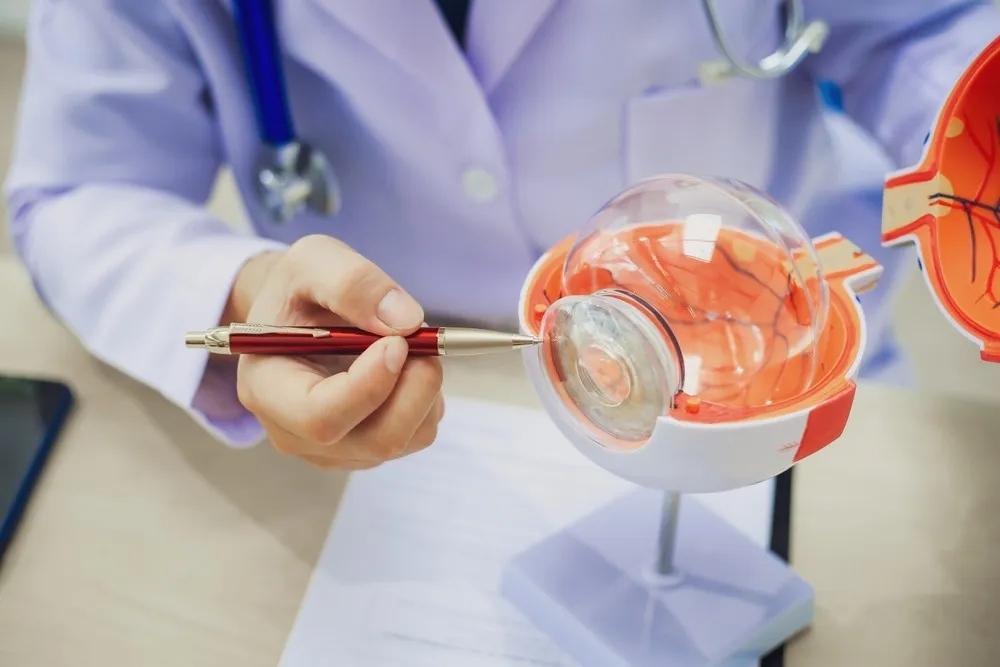
A retinal tear, also known as a retinal break, is a small defect in the retina. The retina is the light-sensitive tissue lining the back of your eye, and it is responsible for converting light into signals that the brain interprets as images. When this tissue tears, the fluid inside the eye can seep through the opening and lift the retina away from its normal position. This potentially leads to a severe condition called retinal detachment. A torn retina can result from eye trauma, but it is also more common with age as the gel-like substance in the eye, called the vitreous, shrinks and pulls on the retina.
What Are Its Early Signs?
Recognizing the early symptoms of a retinal tear is key to seeking timely treatment and preventing further damage. These symptoms often appear suddenly, so you should pay close attention to abrupt changes in your vision. Here are key symptoms you shouldn’t ignore:
- A sudden increase in floaters, which look like small specks or squiggly lines drifting through your field of vision.
- Flashes of light in one or both eyes, similar to seeing stars after being hit on the head.
- A shadow or dark curtain appears in your peripheral (side) vision.
- Blurry vision that develops unexpectedly.
If you experience any of these symptoms, contact an eye care specialist right away for a comprehensive examination. Prompt action can make a significant difference in the outcome
How Does It Cause Vision Loss?
A torn retina does not immediately cause total vision loss, but it creates a high-risk situation that can escalate quickly. The tear provides a pathway for the vitreous fluid to move behind the retina. This fluid accumulation causes the retina to separate from the back wall of the eye. This separation is known as retinal detachment, and it is a medical emergency. When the retina detaches, its cells are cut off from their blood supply and oxygen, which leads to cell death and permanent vision loss if not treated promptly.
What Are the Available Treatments?
The goal of treating a retinal tear is to prevent it from progressing to a retinal detachment. A specialist will determine the most appropriate course of action based on the size and location of the tear. It is helpful to get an evaluation if you notice symptoms of a tear as soon as possible.
A minor tear may not require treatment and will heal on its own. When treatment is needed, the specialist will recommend laser therapy. This procedure involves using a laser to create small burns around the retinal tear. These burns form scar tissue that seals the retina to the underlying tissue, preventing fluid from passing through the tear. The treatment is performed on an outpatient basis and is highly effective at preventing vision loss when the tear is diagnosed early.
Book Your Retinal Tear Evaluation
A tear in the retina is an eye condition that can lead to irreversible vision loss if left untreated. Recognizing the symptoms, such as sudden floaters and flashes of light, is fundamental for early diagnosis. Treatments like laser photocoagulation can effectively seal a tear in the retina and prevent detachment. If you notice any signs of a retinal tear, contact a retina specialist near you to schedule an evaluation immediately.
- Family Medicine’s Focus on Mental Health and Wellness
- Understanding the Different Types of Arthritis and Their Impact on Daily Life
- The Benefits of Building a Long-Term Relationship with Your Family Doctor
- Tips for Celebrating Milestone Achievements for Children With Cerebral Palsy
- The Role of Peptide Therapy in Modern Health and Wellness