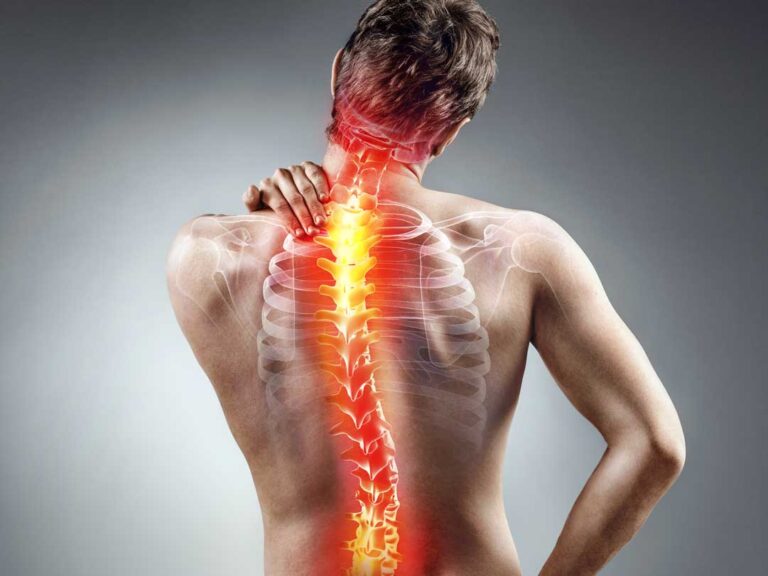

The Importance of Regular Check-Ups and Screenings for Men
Regular check-ups and preventive screenings play a major role in protecting men’s long-term well-being. Many common conditions develop quietly over time, making early detection one of the key tools for maintaining men’s health. Routine visits allow healthcare providers to identify risks, track changes, and offer timely guidance before small issues become larger problems. Here’s why staying consistent with check-ups and screenings is fundamental for supporting men’s health:
Why Does Preventive Care Matter?
Preventive care is a proactive approach to men’s health that focuses on maintaining health and identifying problems before they become serious. Regular health evaluations detect conditions such as high blood pressure, high cholesterol, and diabetes in their early stages. Early intervention often leads to better management and outcomes.
Which Screenings Are Fundamental?
A key part of men’s health involves specific screenings that monitor for common health conditions. Here are some of them:
- Blood Pressure Screening: Regular checks can detect hypertension, which is a major risk factor for heart disease and stroke.
- Cholesterol Panel: This blood test measures cholesterol and triglyceride levels to assess your risk for cardiovascular disease.
- Prostate Cancer Screening: This may include a prostate-specific antigen (PSA) blood test and a digital rectal exam (DRE), particularly for men over 50.
- Colorectal Cancer Screening: Colonoscopies or other screening methods are typically recommended to detect polyps and cancer.
- Testicular Cancer Exam: Self-exams and clinical exams are helpful for detecting abnormalities early.
These screenings are tailored to your age, risk factors, and family history; a healthcare provider can help you determine the right schedule.
What Happens at Check-ups?
During a regular check-up, your healthcare provider will conduct a thorough evaluation of your overall health. This visit begins with a review of your personal and family medical history, followed by a discussion about your lifestyle habits, such as diet and exercise. The provider will then perform a physical examination, including measuring your height, weight, and blood pressure, and listening to your heart and lungs. Based on the findings, they may order blood tests or other screenings to gain a complete picture of your well-being.
How Do Habits Improve Health?
Beyond regular check-ups, certain lifestyle habits can improve health outcomes. Here are some lifestyle habits your provider may recommend:
- Balanced Diet: Eating a diet rich in fruits, vegetables, lean proteins, and whole grains provides your body with the nutrients it needs to function correctly.
- Regular Physical Activity: Aim for moderate-intensity exercise several times every week to maintain a healthy weight and support cardiovascular health.
- Adequate Sleep: Getting seven to nine hours of quality sleep each night is fundamental for physical and mental restoration.
- Stress Management: Techniques such as meditation and regular exercise can help manage stress.
- Avoiding Tobacco and Limiting Alcohol: Limiting these habits can significantly reduce your risk for multiple chronic diseases, including cancer and heart disease.
Adopting these habits is a helpful way to support your health and complement regular medical care.
Schedule your men’s health evaluation
Regular check-ups and screenings are a fundamental component of proactive men’s health. They provide an opportunity to detect health issues early, discuss preventive measures, and build a strong relationship with your healthcare provider. Contact a trusted healthcare professional near you today to schedule your evaluation.
- Family Medicine’s Focus on Mental Health and Wellness
- Understanding the Different Types of Arthritis and Their Impact on Daily Life
- The Benefits of Building a Long-Term Relationship with Your Family Doctor
- Tips for Celebrating Milestone Achievements for Children With Cerebral Palsy
- The Role of Peptide Therapy in Modern Health and Wellness