
How Sports Medicine Plays a Role in Youth Athletics
Youth athletics offer valuable opportunities for growth, fitness, and teamwork. Increased participation can lead to higher exposure to sports injuries, making proactive support fundamental for these young athletes. Sports medicine provides a specialized approach to preventing, assessing, and addressing injuries specific to youth sports. Professionals in this field provide expert guidance; they help young athletes reduce injury risks and manage the recovery process if an injury occurs. Here’s how sports medicine plays a role in maintaining immediate and long-term well-being for children and teens engaged in sports:
Focusing on Injury Prevention
Injury prevention is a key focus of sports medicine for youth athletics. Professionals design tailored strategies to lower risks. These approaches can address how to avoid common sports injuries, and they educate coaches and parents about age-appropriate training techniques. By addressing possible sports injuries before they happen, sports medicine professionals create safer environments for young athletes to train, compete, and grow.
Prevention strategies may include:
- Proper Warm-Ups and Cool-Downs: Teaching young athletes how to prepare their bodies for activity and how to recover afterward helps protect muscles and joints.
- Strength and Conditioning Programs: Tailored exercises designed for growing bodies help build a strong foundation, improving stability and reducing the likelihood of strains or sprains.
- Technique Refinement: Guidance on proper form for running, jumping, or throwing can minimize stress on vulnerable areas of the body.
Providing Specialized Care
When sports injuries occur, sports medicine provides care that recognizes the specific needs of young athletes; it addresses their developing bodies. Children’s bones, muscles, and joints differ from those of adults. Growth plates in long bones can remain especially vulnerable to injury.
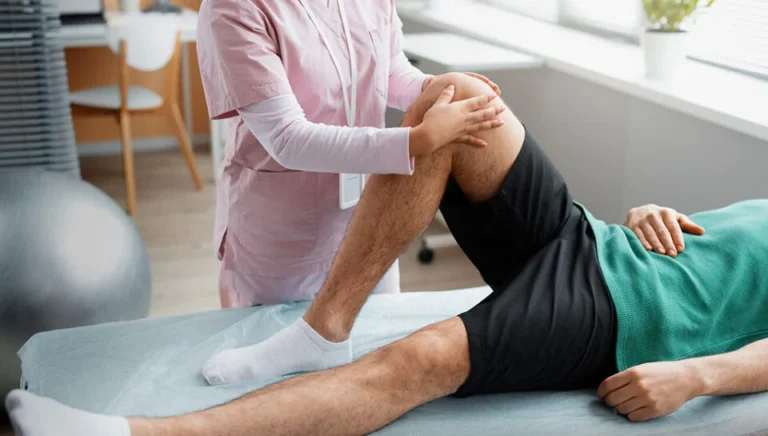
A sports medicine approach includes these developmental factors, and it uses them to shape safe and effective recovery plans. Specialists assess each sport’s demands and the injury’s impact on physical development, allowing them to tailor strategies to the athlete. These steps make sure the plan matches the athlete’s age and growth stage, supporting proper and safe healing. Through this focused care, sports medicine helps young athletes recover well for future athletic participation.
Guiding a Safe Recovery
Recovering from a sports injury is one part of the process, but making a safe return to play is equally fundamental to long-term participation. Sports medicine offers structure that can help young athletes transition back to activity after injury. Returning too quickly increases the risk of additional injuries. Professional guidance relies on a gradual, step-by-step plan, and it adjusts as the athlete gains strength. A young athlete may begin with low-intensity drills, then progress as movement and other abilities improve. These steps help support the body’s healing process. They may also reduce the risk of new or recurring injuries. Carefully planned progression prepares the body for full competition demands, and it enhances long-term athletic readiness.
Find Assistance for Sports Injuries
Sports medicine supports youth athletics by preventing injuries and guiding safe recovery, and it helps athletes return to activity safely. Specialists use targeted strategies that reduce injury risk and improve healing. They can assist with various sports injuries, including fractures, shin splints, and rotator cuff tears. If you have questions about your athlete’s health and safety, contact a sports medicine specialist for clear and helpful support.
- Family Medicine’s Focus on Mental Health and Wellness
- Understanding the Different Types of Arthritis and Their Impact on Daily Life
- The Benefits of Building a Long-Term Relationship with Your Family Doctor
- Tips for Celebrating Milestone Achievements for Children With Cerebral Palsy
- The Role of Peptide Therapy in Modern Health and Wellness