
How To Choose the Right Pain Specialist for Your Needs
Pain specialists diagnose and treat various types of pain, and they may evaluate your history to find the root cause of your discomfort. Because chronic pain disrupts daily life, finding the right doctor helps you manage symptoms effectively. You should see a pain specialist who understands your specific condition and goals. Here is more information about choosing the right specialist for pain:
Determine Type of Pain
Specialists focus on different areas of the body and types of pain, and they require unique solutions. Your primary care physician might refer you to a neurologist for headaches or migraines. While orthopedic specialists handle bone and joint issues, rheumatologists treat autoimmune conditions like arthritis.
Acute pain typically results from a specific injury and lasts a short time. Chronic pain persists for months or years, and it may require a different approach. By understanding whether your pain is acute or chronic, you can search for the right provider more efficiently.
Nerve pain feels different than muscle pain and demands specific expertise. You might experience burning or tingling sensations if nerves are damaged or compressed. A specialist who understands neuropathic pain offers distinct diagnostic tools for these complex cases.
Identify Treatment Needs
Some doctors focus primarily on medication management to control symptoms. Others prioritize interventional procedures, such as injections or nerve blocks, to target pain sources directly. For proper care, you must decide which approach aligns best with your personal preferences and medical history.
Look for Alternative Treatments
Many patients seek options beyond traditional surgery or prescription medications for relief. Regenerative medicine offers potential solutions for those who want to avoid invasive procedures. These therapies use the body’s own processes to encourage healing in damaged tissues.
Multidisciplinary clinics offer a variety of services under one roof for convenience. These centers often include physical therapy, psychological support, and nutritional guidance. This comprehensive model addresses the physical and mental aspects of living with chronic pain. Pain specialists might offer several alternative modalities:
- Ketamine therapy
- Platelet-rich plasma (PRP) injections
- Radiofrequency ablation
Evaluate Equipment Options
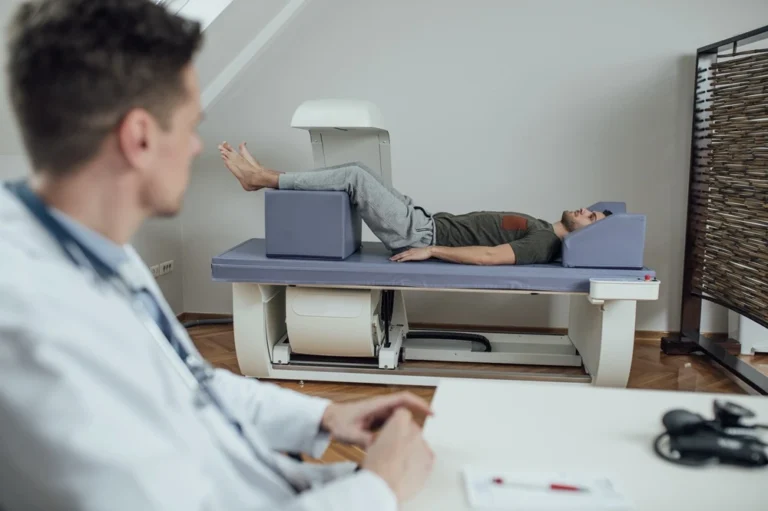
Modern pain management relies heavily on advanced technology for accurate diagnosis and treatment. Modern machines provide real-time X-ray guidance during delicate spinal injections and nerve blocks. Facilities with updated imaging equipment often deliver more precise results during these procedures.
Some clinics invest in radiofrequency ablation tools to effectively disrupt pain signals. This technology heats nerve tissue to stop it from sending pain messages to the brain. If you seek long-term relief, ask about the specific technologies available at the clinic. Location and insurance coverage also play a role in your final decision, because regular appointments become difficult if the office is too far from your home.
Find Pain Specialists Near You
You need a provider who listens to your concerns and explains options clearly, so start your search by verifying each candidate’s board certifications. Schedule a consultation once you narrow down your list of potential providers. This meeting allows you to ask questions about their treatment philosophy and experience levels. Book an appointment now to start managing your pain effectively.
- Family Medicine’s Focus on Mental Health and Wellness
- Understanding the Different Types of Arthritis and Their Impact on Daily Life
- The Benefits of Building a Long-Term Relationship with Your Family Doctor
- Tips for Celebrating Milestone Achievements for Children With Cerebral Palsy
- The Role of Peptide Therapy in Modern Health and Wellness