Understanding When to See a Vein Specialist for Varicose Veins
A vein specialist is trained to diagnose and treat a range of vein-related health concerns, including varicose veins, spider veins, and venous insufficiency. By focusing on the veins’ structure and function, they play a key role in improving comfort and supporting overall circulatory health. A vein specialist will assess your symptoms, and they will recommend a treatment plan tailored to you. Here is some information about when to see a vein specialist for varicose veins:
Recognizing Symptoms
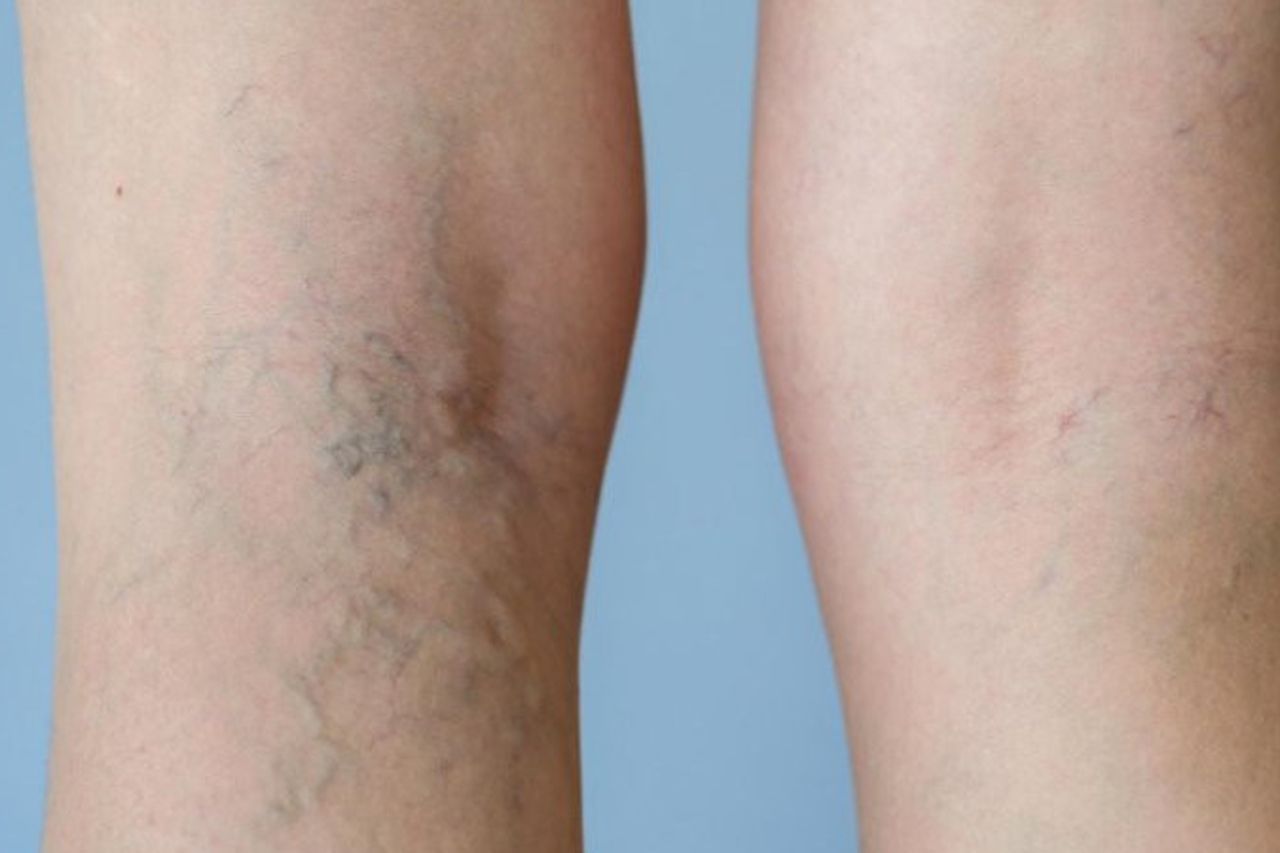
Varicose veins often present with visible signs, such as twisted, bulging veins that appear blue or dark purple beneath the skin. These veins may also cause varying degrees of physical discomfort; you might notice an ache in your legs, particularly after standing or sitting for extended periods. For some, symptoms are more pronounced in the evening or after physical activity. Less common symptoms include:
- A burning or stinging sensation
- Tingling in the affected area
- Restless legs
- Skin dryness, eczema, or hardening of tissues around the ankles
- Muscle cramping
- Swelling in your lower legs
- Itching
Reviewing Treatment Options
A vein specialist will review various treatment options with you. Initial recommendations often involve self-care measures, such as regular exercise to boost circulation in your legs. Elevating your legs several times a day can reduce venous pressure and relieve swelling. Wearing compression stockings is another approach; these apply gentle pressure to your legs, supporting blood flow and managing discomfort. Specialists may also recommend maintaining a healthy weight, avoiding prolonged standing or sitting, and choosing comfortable, flat shoes instead of high heels.
When veins do not respond to self-care, a specialist may discuss minimally invasive procedures. Sclerotherapy involves injecting a solution into the veins that causes them to scar, close, and gradually fade from view. Laser treatments use targeted bursts of light to shrink smaller varicose or spider veins. There are also options, such as radiofrequency ablation; this treatment involves guiding a tube into the affected vein, then applying heat to seal it from the inside. These procedures are usually performed in an outpatient setting and aim to address uncomfortable or persistent symptoms.
Knowing When to Seek Urgent Care
While varicose vein symptoms are often manageable, some signs indicate the need for immediate medical attention. Sudden, severe leg swelling accompanied by pain requires prompt evaluation, as these symptoms may indicate a blood clot that needs timely assessment. If you experience sudden warmth, redness, or tenderness along the course of a vein, this could signal inflammation or an infection. In rare cases, if you notice that a varicose vein has suddenly become hard or tender to the touch, this may be a sign of underlying complications.
Work With a Vein Specialist
Understanding your symptoms and learning about available treatments are meaningful steps toward managing varicose veins. A vein specialist is trained to diagnose your condition and explain treatment options; you should receive advice that fits your needs, whether it involves self-care routines or medical procedures. If you are experiencing discomfort, changes in your veins, or have questions about your vein health, contact a vein clinic today.
- Family Medicine’s Focus on Mental Health and Wellness
- Understanding the Different Types of Arthritis and Their Impact on Daily Life
- The Benefits of Building a Long-Term Relationship with Your Family Doctor
- Tips for Celebrating Milestone Achievements for Children With Cerebral Palsy
- The Role of Peptide Therapy in Modern Health and Wellness