A Guide on How to Prepare for Your DOT Physical

In family medicine, preventive care and regular health evaluations play a fundamental role in keeping patients fit for work and daily activities. For commercial drivers, a Department of Transportation (DOT) physical is a key requirement to make sure they meet safety and health standards. Here’s a practical guide on how to prepare for your DOT physical and what to expect during the process:
Exploring a DOT Physical
A DOT physical is a comprehensive health check-up performed by a certified medical examiner. The primary goal is to identify any physical or mental conditions that could impair your ability to drive safely. Preparing for what the exam covers is a key first step. The examiner will assess several areas of your health, including:
- Vision and Hearing: Your eyesight and hearing will be tested to make sure they meet federal standards. You must have at least 20/40 vision in each eye and both eyes together, with or without corrective lenses. You also need to be able to perceive a “forced whisper” from a distance of five feet.
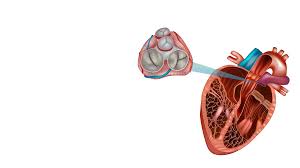
- Blood Pressure and Pulse Rate: The examiner will check for high blood pressure and irregular heartbeats, which could indicate underlying cardiovascular issues.
- Urinalysis: A urine sample is collected to screen for underlying medical conditions, such as diabetes.
- Physical Examination: This includes a review of your medical history and a hands-on check of your general appearance, heart, lungs, abdomen, and neurological function.
Familiarizing yourself with these components will help you understand what to expect during your appointment.
Preparing Before Your Appointment
Proper preparation is fundamental to a successful DOT physical. Taking a few simple steps before your exam can help streamline the process and prevent unnecessary complications or delays. It is helpful to organize all your necessary items the day before your appointment. Here are some helpful tips to get ready for your visit:
- Gather Your Medical Records: Bring a list of all medications you take, including dosages. Also, have the contact information for your primary care physician and any specialists you see.
- Bring Necessary Documents: Make sure you have your driver’s license and any required employer forms. If you wear glasses, contact lenses, or a hearing aid, bring them with you.
- Avoid Stimulants: On the day of the exam, it is helpful to avoid caffeine and nicotine, as they can temporarily raise your blood pressure.
- Stay Hydrated: Drink plenty of water before your appointment so you can provide a urine sample when needed.
Following these guidelines helps make your appointment smooth.
Managing Conditions During the Exam
If you have a chronic health condition, such as diabetes, a heart condition, or sleep apnea, special documentation is often required. For instance, drivers with diabetes will need to bring their latest blood sugar logs. Those with heart conditions may need a letter from their cardiologist that details their condition and treatment. Communicating openly with the family medicine specialist about your health is key to a successful evaluation. Proper management and documentation of chronic conditions demonstrate that you are fit to drive.
Knowing What To Expect Afterward
After the physical is complete, the medical examiner will determine if you meet the health requirements. If you pass, you will receive a Medical Examiner’s Certificate, which is usually valid for up to 24 months. In some cases, if you have a condition that needs monitoring, you may receive a certificate for a shorter period. If you do not pass, the examiner will explain the reasons and may suggest steps you can take to address health issues before being re-evaluated.
Consult a Family Medicine Specialist Today
Preparing for your DOT physical is a straightforward process when you know what to expect. Understanding the exam components and bringing the correct documentation can lead to a stress-free experience. Regular family healthcare is also fundamental to maintaining your long-term health and staying qualified to drive. If you need to schedule a DOT physical or have questions about your health, book an appointment with a family medicine specialist near you today.
- Family Medicine’s Focus on Mental Health and Wellness
- Understanding the Different Types of Arthritis and Their Impact on Daily Life
- The Benefits of Building a Long-Term Relationship with Your Family Doctor
- Tips for Celebrating Milestone Achievements for Children With Cerebral Palsy
- The Role of Peptide Therapy in Modern Health and Wellness