Anxiety Management Techniques for Better Mental Health
Anxiety is a common human experience, but when it becomes persistent, it can affect daily life. Understanding and managing feelings of anxiety are steps toward improving mental well-being. A variety of techniques can help individuals cope with the physical and mental sensations associated with this condition. Developing a personal approach to management can lead to a greater sense of control and calm.
What Triggers Anxiety Symptoms?
Identifying the sources of anxiety is a useful step in managing its effects. These triggers may be internal, such as personal worries, or external, stemming from specific situations or environments. Recognizing your personal triggers allows you to anticipate and prepare for situations that might cause feelings of unease.
Common triggers can include:
- Work or school-related pressures
- Financial difficulties
- Relationship problems
- Social gatherings
- Health concerns
- Major life changes
By being aware of what causes these feelings, you can develop strategies to navigate them more effectively. This awareness forms the foundation for applying targeted management techniques. It helps you understand the patterns of your anxiety and what might be contributing to it.
Which Techniques Reduce Stress?
Several practical techniques may help reduce the feelings of stress that often accompany anxiety. These methods focus on calming the body and mind. Integrating these practices into a daily routine can provide consistent support for your mental health.
- Deep Breathing: Inhale slowly through your nose for four counts, hold your breath for four counts, and exhale slowly through your mouth for six counts. This exercise can slow your heart rate and promote a sense of calm.
- Progressive Muscle Relaxation: Tense a specific muscle group for five seconds, then release the tension for 30 seconds. Move systematically through different muscle groups, such as your hands, arms, and legs.
- Physical Activity: Engaging in regular exercise, such as walking, jogging, or yoga, may help relieve physical tension and improve your mood. Movement provides an outlet for pent-up energy.
These techniques offer accessible ways to manage stress responses as they happen. Consistent practice can make them more effective over time. You can use them in moments of high stress or as a regular preventative measure.
How Does Mindfulness Help?
Mindfulness is the practice of paying attention to the present moment without judgment. It involves observing your thoughts, feelings, and bodily sensations from a distance. This practice helps create a space between your awareness and your reaction to anxious thoughts, preventing you from getting caught up in them.
Practicing mindfulness can involve formal meditation or simply bringing focused awareness to everyday activities like eating or walking. The goal is to ground yourself in the here and now, which may quiet the mind’s tendency to worry about the future or dwell on the past. Through consistent practice, you can train your brain to be less reactive to anxious thoughts when they arise.
Consult a Specialist
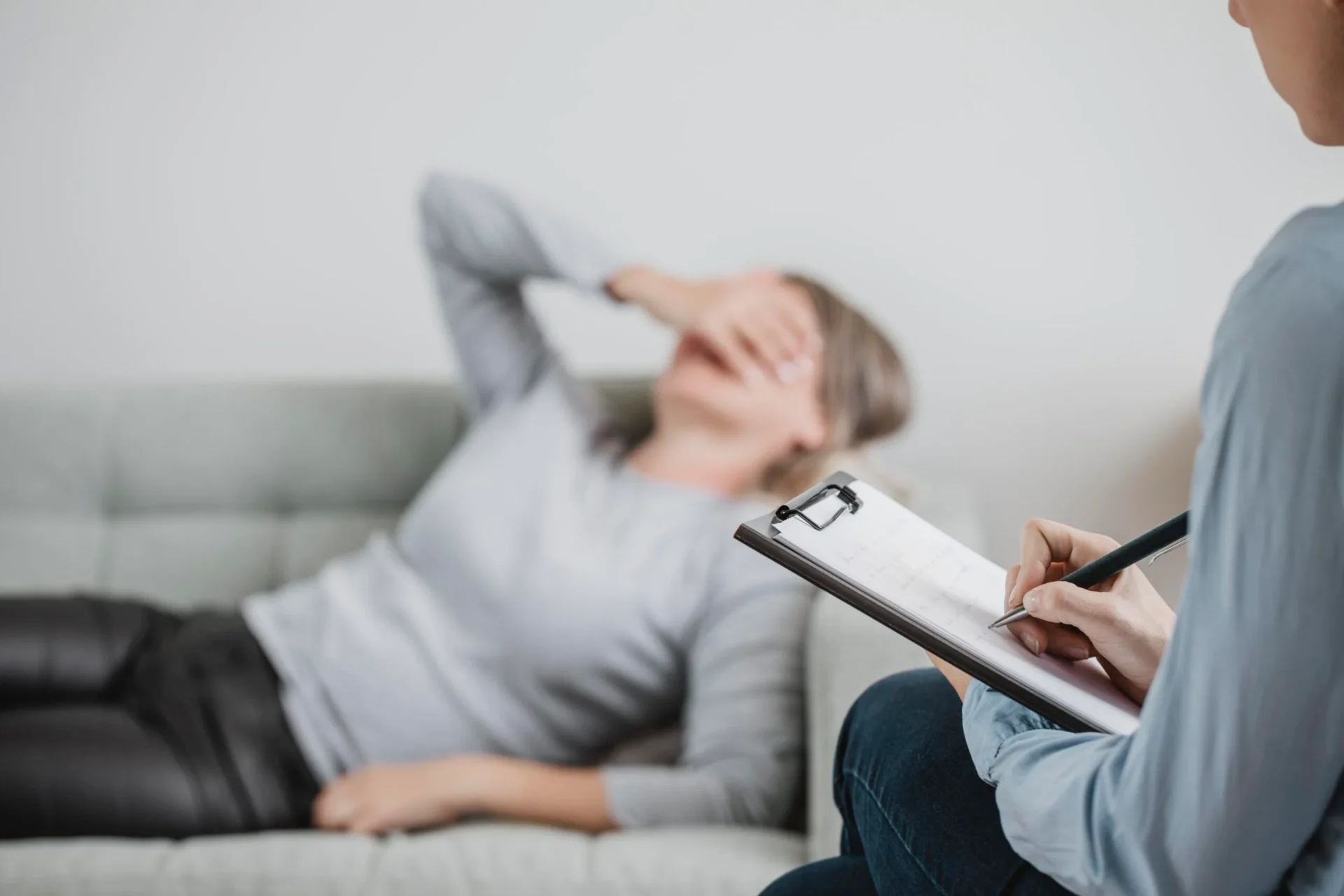
While self-help techniques are beneficial, professional guidance can offer personalized strategies for managing anxiety. A mental health specialist can help you explore the underlying causes of your feelings and develop a tailored plan. They provide a supportive environment for discussing your experiences and learning new coping mechanisms. If you are seeking support, reach out to a qualified professional to discuss your options.
- Family Medicine’s Focus on Mental Health and Wellness
- Understanding the Different Types of Arthritis and Their Impact on Daily Life
- The Benefits of Building a Long-Term Relationship with Your Family Doctor
- Tips for Celebrating Milestone Achievements for Children With Cerebral Palsy
- The Role of Peptide Therapy in Modern Health and Wellness