Choosing the Right Dermatologist for Your Skin Needs

A dermatologist is a medical doctor with advanced training in caring for the skin and hair. They assist with a range of concerns, including acne, eczema, and psoriasis. They also support patients with cosmetic improvements, including skin texture, tone, and visible signs of aging. Here are some tips for choosing the right dermatologist for your skin needs:
Review Available Services
Dermatology clinics often offer an extensive list of both medical and cosmetic treatments. Common services address conditions like:
- Acne
- Eczema
- Rosacea
- Moles
- Skin cancer screenings
- Psoriasis
- Warts
Medical treatments might include biopsies, removal of skin lesions, and ongoing care for hair or scalp conditions. Some practices also offer advanced aesthetic services designed to refresh or enhance your skin’s appearance. These may include custom facials or personalized skin consultations. Scanning a clinic’s service list or speaking with office staff provides a practical way to determine how your concerns align with their expertise.
Evaluate Aesthetic Options
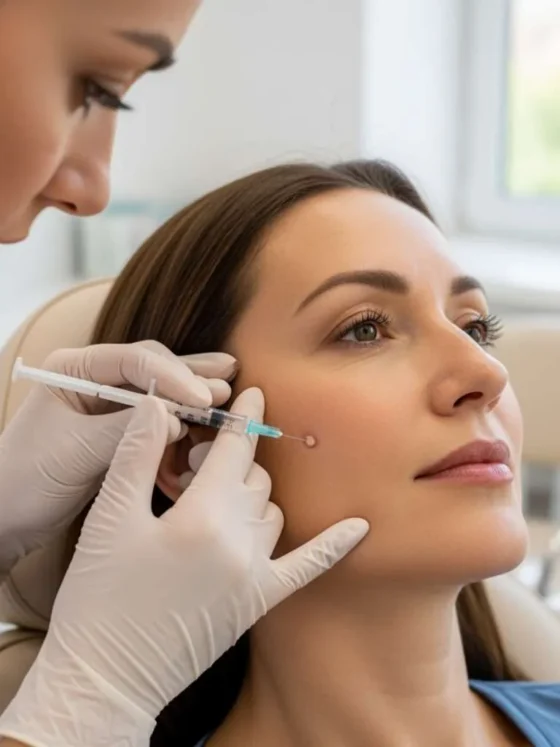
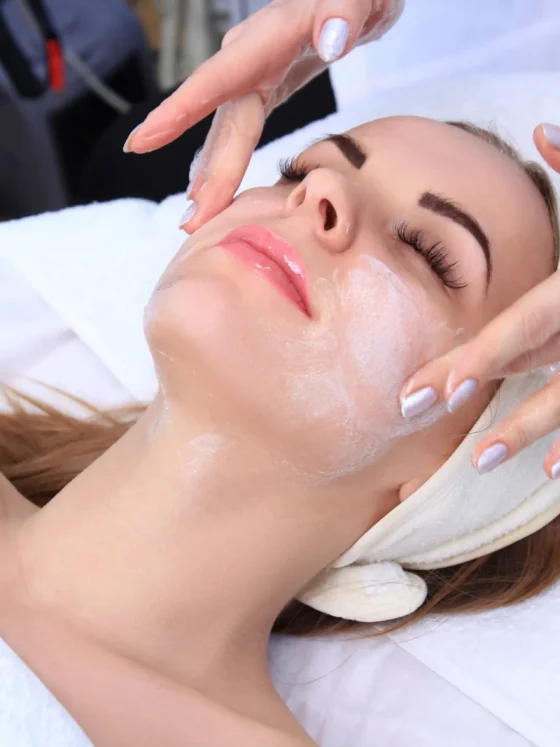
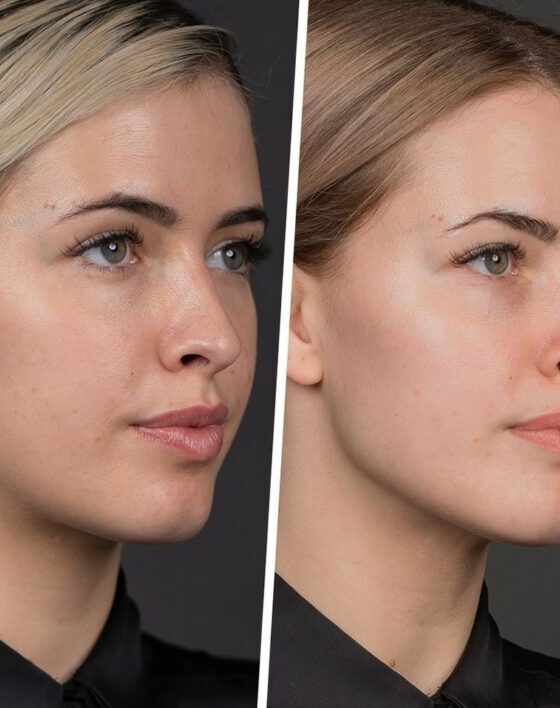
Some people visit a dermatologist for aesthetic improvements, aiming to address issues such as volume loss, wrinkles, or uneven skin tone. Injectable treatments are common, including Botox and dermal fillers for facial contouring and smoothing lines. Clinics may also offer injections to stimulate collagen production and promote a fresher appearance. Custom facials, dermaplaning, and chemical peels can help reduce dullness and refine texture. During your visit, a provider may discuss your goals, review before-and-after examples, and explain potential side effects.
Understand Minimally Invasive Procedures
Minimally invasive solutions bridge the gap between medical and cosmetic dermatology. Treatments such as Laser Hair Removal and Photofacials use light-based technology to target specific skin concerns safely. These methods address pigmentation, sun damage, and hair removal with precision and minimal downtime.
Microneedling options help stimulate new collagen and improve texture with minimal recovery time. Chemical peels exfoliate and brighten the skin surface, supporting clearer and more even skin over time. Before selecting a minimally invasive procedure, review the process details, aftercare requirements, and what to expect at each step.
A licensed professional can assess your skin type and goals and recommend a suitable procedure. They also provide guidance for aftercare requirements, helping verify that the treatment is effective long-term. Using gentle skincare products, applying sunscreen diligently, and avoiding harsh environmental factors can enhance your results.
Know Provider Qualifications
Checking a dermatologist’s credentials plays a key role in your care journey. Board-certified professionals complete years of training, pass rigorous exams, and keep their knowledge current. Membership in reputable associations, such as the American Academy of Dermatology, demonstrates a commitment to upholding professional standards. You can also review provider biographies for details on experience with specific services, from skin cancer management to advanced aesthetics. Some dermatologists have additional expertise in areas such as Mohs surgery or cosmetic procedures.
Visit a Dermatologist
Choosing the right dermatologist begins with understanding the services they offer and matching them to your current needs, whether medical or cosmetic. Learning about available aesthetic treatments and minimally invasive options provides a clear understanding of how your skin’s appearance can improve. Contact a dermatology clinic today to schedule a consultation and learn about available treatment options.
- Family Medicine’s Focus on Mental Health and Wellness
- Understanding the Different Types of Arthritis and Their Impact on Daily Life
- The Benefits of Building a Long-Term Relationship with Your Family Doctor
- Tips for Celebrating Milestone Achievements for Children With Cerebral Palsy
- The Role of Peptide Therapy in Modern Health and Wellness