How DEXA Scans Can Inform Lifestyle Changes for Healthier Bones
Maintaining bone health is a lifelong process. Bones provide structure, protect organs, anchor muscles, and store calcium. Most people reach their peak bone mass around age 30. After that, the remodeling process continues, but you gradually begin to lose more bone mass than you gain. Understanding your bone density status can provide valuable information for making informed decisions about your health and lifestyle. A common method used to assess bone health is a dual-energy X-ray absorptiometry scan, also known as a DEXA scan.
What Is a DEXA Scan?
A DEXA scan is a non-invasive imaging test that measures bone mineral density. This procedure uses low-dose X-rays to obtain detailed images of specific bones. By quantifying the amount of minerals in a segment of bone, the scan provides a snapshot of bone strength and structure. The results can help screen for conditions like osteoporosis, a disease characterized by weak and brittle bones.
This type of screening is often recommended for certain populations. Older adults are frequently advised to have their bone density evaluated. Individuals with specific risk factors, such as a family history of osteoporosis, might also be candidates for a DEXA scan. The scan typically focuses on areas prone to fracture, most commonly the hip and the spine.
What Information Does It Provide?
The primary output of a DEXA scan is a set of scores that indicate your bone mineral density. These scores help assess your risk of experiencing a bone fracture. By understanding where your bone density falls on this spectrum, you and your healthcare provider can have a more productive conversation about bone health. The information is not a diagnosis of an inevitable outcome but a tool for awareness and planning. It provides a baseline from which to measure future changes and can inform discussions about potential lifestyle modifications to support skeletal health. The goal is to use this data to develop a proactive approach to maintaining bone strength over time.
What Does the Process Entail?
A DEXA scan is a straightforward and painless procedure. On the day of the test, it is best to wear comfortable clothing without any metal, as it can interfere with the imaging process. You may be asked to discontinue taking calcium supplements 24 hours before the scan to ensure accurate results.
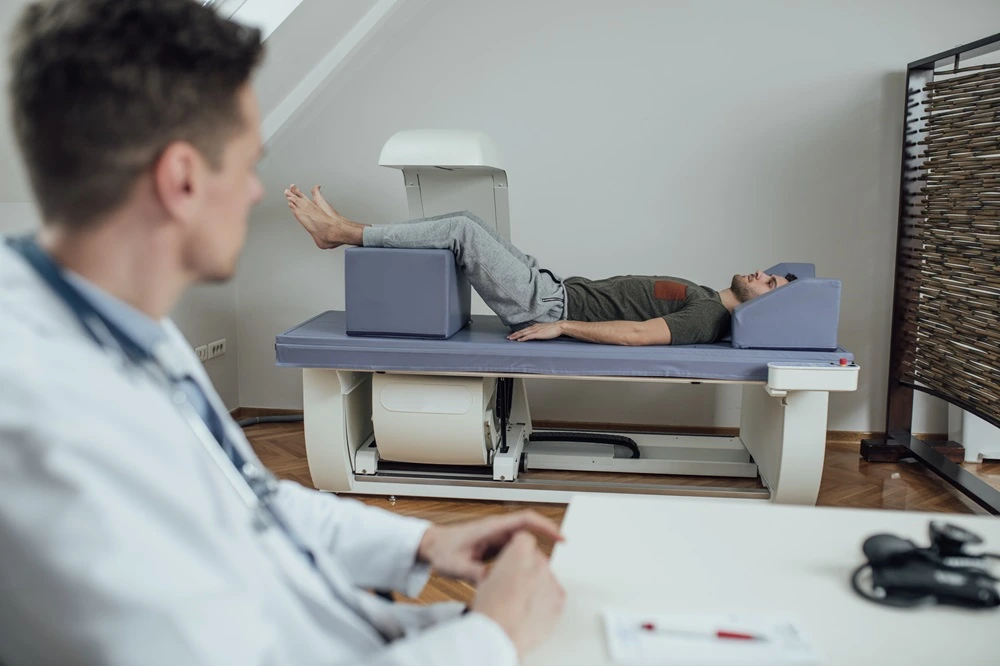
During the scan, you will lie on a table while a mechanical arm passes over your body. This arm emits a very low dose of radiation to capture the images. You will be asked to remain still to obtain clear pictures of the targeted areas, such as your hip and spine. The radiation exposure from the scan is minimal. Following the scan, a radiologist will interpret the images and compile a report for your referring physician, who will then discuss the findings with you.
Consult an Imaging Specialist
After receiving the results of your DEXA scan, the next step is to discuss them with a qualified healthcare provider. An imaging specialist or your primary doctor can explain what your results mean in the context of your overall health profile. This conversation is an opportunity to explore general guidance for supporting bone health.
- Family Medicine’s Focus on Mental Health and Wellness
- Understanding the Different Types of Arthritis and Their Impact on Daily Life
- The Benefits of Building a Long-Term Relationship with Your Family Doctor
- Tips for Celebrating Milestone Achievements for Children With Cerebral Palsy
- The Role of Peptide Therapy in Modern Health and Wellness