How Doctors Help Identify Early Signs of Diabetes
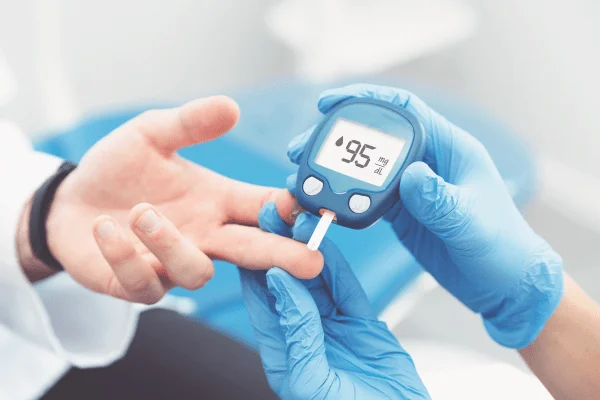
Diabetes is a chronic health condition that affects how the body turns food into energy. This condition often develops slowly, and many people may not realize they have it until symptoms become more pronounced. Medical professionals play a central role in identifying early indicators of diabetes, often detecting subtle changes in blood sugar levels and other physiological markers during routine check-ups. Early detection allows for better management strategies, potentially preventing or delaying serious complications associated with the disease.
What Is Diabetes?
Diabetes refers to a group of diseases that affect how the body uses blood sugar, or glucose. Glucose is the primary energy source for the cells that make up the body. It is also the brain’s main source of fuel. The underlying cause of diabetes varies by type, but regardless of type, it can lead to excess sugar in the blood. Too much sugar in the blood can lead to serious health problems.
The role of insulin is central to understanding this condition. The pancreas secretes this hormone into the bloodstream. Insulin circulates, enabling sugar to enter the cells. Insulin lowers the amount of sugar in the bloodstream. As the blood sugar level drops, so does the secretion of insulin from the pancreas.
What Are Its Causes and Symptoms?
The exact cause of most types of diabetes remains unknown. In all cases, sugar builds up in the bloodstream. This is because the pancreas doesn’t produce enough insulin. Both genetic and environmental factors appear to play a role in the development of the disease.
Symptoms vary depending on how high blood sugar levels are. Some people, especially those with prediabetes or type 2 diabetes, may not experience symptoms initially. Common signs include:
- Increased thirst and frequent urination
- Unexplained weight loss
- Fatigue
- Blurred vision
- Slow-healing sores
- Frequent infections, such as skin and vaginal infections
Doctors often look for risk factors that increase the likelihood of developing the condition. These include family history, weight, inactivity, age, and race or ethnicity. High blood pressure and abnormal cholesterol levels are potential indicators warranting further investigation.
How Is It Diagnosed and Treated?
Physicians use several tests to diagnose diabetes. The glycated hemoglobin (A1C) test indicates average blood sugar levels over the past 2 to 3 months. An A1C level of 6.5 percent or higher on two separate tests indicates diabetes. If the A1C test isn’t available or conditions make it inaccurate, doctors may use other tests. These include random or fasting blood sugar tests.
Treatment depends on the type of diabetes. Monitoring blood sugar, insulin, and oral medications may be part of treatment. Eating a healthy diet, maintaining a healthy weight, and participating in regular physical activity are also parts of managing diabetes. For type 1 diabetes, treatment involves insulin injections and frequent blood sugar checks. Treatment of type 2 diabetes primarily involves lifestyle changes, blood sugar monitoring, and diabetes medications, insulin, or both.
Confer With a Medical Expert
A qualified physician can provide a personalized assessment based on specific medical history, risk factors, and current health status. Regular consultations allow for the monitoring of subtle changes that might otherwise go unnoticed. Establishing a relationship with a primary care provider or an endocrinologist facilitates a proactive approach to health, enabling the implementation of preventive measures or early treatment plans tailored to specific needs.
- Family Medicine’s Focus on Mental Health and Wellness
- Understanding the Different Types of Arthritis and Their Impact on Daily Life
- The Benefits of Building a Long-Term Relationship with Your Family Doctor
- Tips for Celebrating Milestone Achievements for Children With Cerebral Palsy
- The Role of Peptide Therapy in Modern Health and Wellness