Medical Applications for Botox
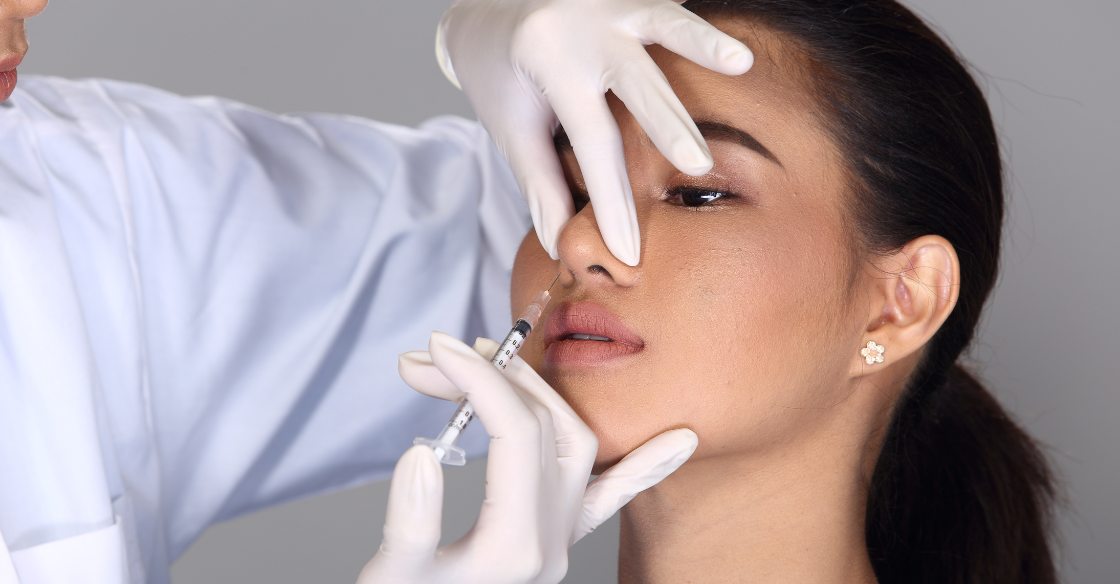
Botox is used cosmetically to reduce wrinkles, but it also has a range of medical applications. It works by temporarily blocking nerve signals to muscles, which helps reduce muscle activity. This mechanism makes it effective for treating various medical conditions, including migraines, spasticity, hemifacial spasm, and cervical dystonia. Here is more information on this treatment option:
What Is Botox?
Botox is the brand name for a purified protein called botulinum toxin type A, which is produced by the bacterium Clostridium botulinum. In controlled, small doses, this neurotoxin is used for both cosmetic and medical purposes, and it is applied safely in clinical settings. The substance is administered directly into the muscle tissue via injection.
When used for therapeutic purposes, Botox is carefully prepared and diluted to enable precise targeting of specific muscles or glands. Its primary function is to block nerve signals, which leads to temporary muscle relaxation or reduced glandular activity. This effect is localized to the injection site, and it does not typically spread to other parts of the body.
What Are the Medical Applications?
Botox is approved for treating a range of medical conditions that involve muscle overactivity or spasms. These applications leverage its ability to temporarily paralyze muscles, providing relief from chronic symptoms. The treatment is effective for several specific disorders.
Spasticity
Spasticity is a condition characterized by muscle stiffness and involuntary muscle contractions. It results from conditions like stroke, cerebral palsy, or multiple sclerosis. Botox injections can reduce this muscle stiffness, which improves mobility and comfort for the patient.
Migraines
For individuals who experience chronic migraines, Botox can be a preventative treatment, so it helps to reduce the frequency and severity of headaches. The injections are administered in specific areas around the head and neck. The treatment works by blocking pain signals.
Cervical Dystonia
Cervical dystonia involves involuntary, painful contractions of the neck muscles, causing the head to twist or turn into uncomfortable positions. Botox injections relax these overactive muscles. This can correct head posture and alleviate associated pain.
Hemifacial Spasm
Hemifacial spasm is a neuromuscular disorder that causes involuntary twitching on one side of the face, and it can affect daily activities such as reading or driving. Botox is injected into the affected muscles of the face. It provides temporary relief from the spasms.
What Does the Process Involve?
The treatment process begins with a consultation with a qualified medical professional, and they will assess your condition and determine if Botox is a suitable option. During the procedure, the specialist uses a fine needle to inject small amounts of Botox into the targeted muscles, and the number of injections depends on the condition being treated and its severity. After the injections, you can typically resume your normal activities immediately.
What Are the Benefits?
The primary benefit of Botox treatment for medical conditions is symptom relief, which can improve a patient’s quality of life. For conditions such as chronic migraine or spasticity, this can result in a reduction in pain and an improvement in functional ability. The treatment is targeted, so it affects only the specific muscles involved.
Consult a Specialist Today
Botox offers a targeted and effective treatment for various medical conditions characterized by muscle overactivity. It works by temporarily blocking nerve signals to muscles, providing relief from symptoms and improving functionality. If you are experiencing symptoms from a condition like chronic migraines, spasticity, or cervical dystonia, consult with a medical specialist. They can assess your specific needs and determine if Botox is a suitable therapeutic option for you.
- Family Medicine’s Focus on Mental Health and Wellness
- Understanding the Different Types of Arthritis and Their Impact on Daily Life
- The Benefits of Building a Long-Term Relationship with Your Family Doctor
- Tips for Celebrating Milestone Achievements for Children With Cerebral Palsy
- The Role of Peptide Therapy in Modern Health and Wellness