Podiatrist Advice on Footwear for Bunions
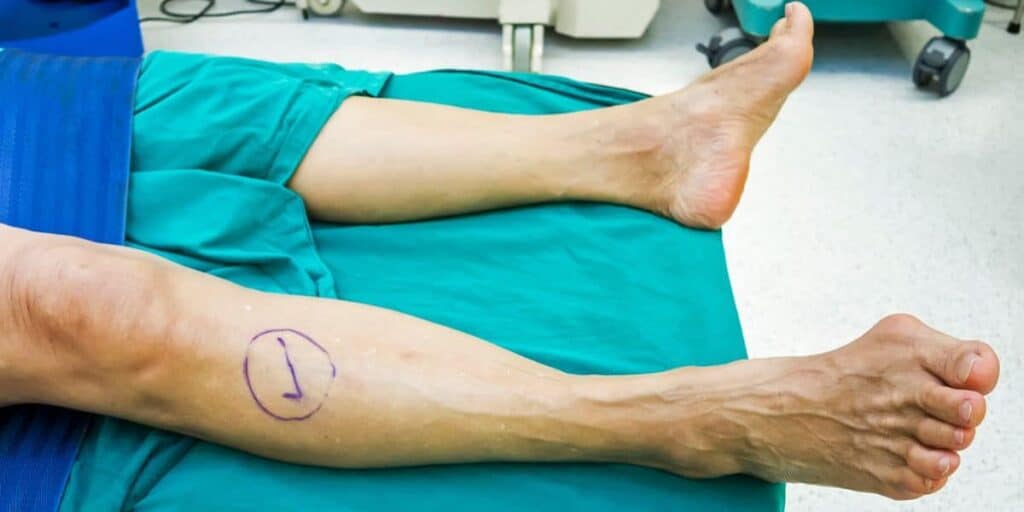
Choosing proper footwear is fundamental for managing bunions, and guidance from a podiatrist can make this process more effective. Understanding what features to look for and which styles to avoid gives individuals with bunions the tools to make informed decisions about their foot health. Here is the advice podiatrists commonly share when selecting footwear for bunions:
How Do Bunions Form?
Bunions develop slowly over time; pressure on the big toe joint causes the big toe to lean toward the second toe. Eventually, the normal structure of the bone changes, resulting in the bunion bump. While genetics play a role in the shape and structure of your foot, footwear is a major contributing factor. Tight, narrow shoes, or high heels can crowd the toes and put excessive pressure on the big toe joint. Wearing shoes that do not fit correctly forces the toes into an unnatural position. If you continue to wear shoes that squeeze the toes together, the problem will likely get worse.
What Shoes Do Experts Recommend?
When selecting shoes to accommodate bunions, a podiatrist will advise looking for specific characteristics that prioritize comfort and foot health. Here are some of them:
- Wide Toe Box: Shoes with a wide toe box provide ample space for your toes to wiggle and spread out, preventing them from being squeezed together.
- Low Heels: High heels shift your body weight forward, placing significant pressure on the toes and the ball of the foot.
- Soft Materials: Footwear made from soft, flexible materials can stretch to accommodate the shape of your foot and reduce rubbing against the bunion.
- Good Arch Support: Shoes with proper arch support distribute weight evenly across the foot, reducing pressure on the big toe joint.
- Adjustable Fastenings: Laces, buckles, or Velcro straps allow you to adjust the fit of the shoe to accommodate swelling or changes in foot shape throughout the day.
Finding shoes that incorporate these features will make walking more comfortable and help maintain your foot health.
Which Features Help Bunions?
Make sure to look for shoes with a removable insole. This allows you to replace the factory insole with a custom orthotic prescribed by a podiatrist or an over-the-counter insert. Cushioning in the shoe’s sole absorbs shock and protects the bunion from the impact of walking on hard surfaces. It is helpful to contemplate shoes with no stitching over the bunion area, as seams can cause irritation.
When To See a Podiatrist?
While changing footwear can provide relief, sometimes professional intervention is necessary to manage bunion pain effectively. You should contemplate seeing a podiatrist if you notice any of the following:
- Persistent Pain: If you experience ongoing foot pain that interferes with your daily activities or walking despite wearing comfortable shoes, it is time to see a doctor.
- Visible Changes: If you notice the bump on your toe getting larger or if your big toe begins to cross over your second toe, a podiatrist needs to assess the progression.
- Difficulty Finding Shoes: When you can no longer find shoes that fit comfortably because of the bunion’s size, a specialist can offer advice on custom footwear or modifications.
- Signs of Infection: Redness, swelling, or warmth around the bunion, especially if you have diabetes, require immediate medical attention.
- Decreased Mobility: If stiffness in your big toe joint limits your ability to move your toe or walk normally, a professional evaluation is key.
Seeking help early prevents the condition from worsening and helps you explore all available treatment options.
Book Your Appointment With a Podiatrist
Bunions can be painful, but wearing the right shoes can significantly improve your comfort and mobility. Choosing footwear with a wide toe box, low heels, and soft materials helps you reduce pressure on your feet and manage symptoms effectively. Contact a qualified podiatrist near you to book your appointment today for a professional evaluation.
- Family Medicine’s Focus on Mental Health and Wellness
- Understanding the Different Types of Arthritis and Their Impact on Daily Life
- The Benefits of Building a Long-Term Relationship with Your Family Doctor
- Tips for Celebrating Milestone Achievements for Children With Cerebral Palsy
- The Role of Peptide Therapy in Modern Health and Wellness