Questions To Ask Your Doctor About Tirzepatide

Tirzepatide is an injectable medication gaining attention for its effectiveness in managing type 2 diabetes and supporting weight loss. If your doctor has recommended it or you’re contemplating it as part of your treatment plan, asking the right questions can help you make an informed decision. Here are some key questions to ask your doctor about tirzepatide:
How Does Tirzepatide Work?
Start by asking your doctor to explain what tirzepatide is and how it affects your body. Tirzepatide is a medication that mimics two hormones called GIP and GLP-1. These hormones help regulate blood sugar levels and appetite. When you take tirzepatide, it signals your brain that you’re full, which reduces food cravings. It also slows the rate at which food leaves your stomach, helping you feel satisfied longer. Ask your doctor to explain how the medication will work specifically for your body. Understanding the science behind tirzepatide makes it easier to follow your treatment plan and know what changes to expect.
Am I a Good Candidate?
Not everyone is a good fit for tirzepatide. Ask your doctor whether this medication is right for you based on your health history and current conditions. Tirzepatide is usually prescribed for adults who have a body mass index (BMI) of 30 or higher, or a BMI of 27 or higher with weight-related health problems like high blood pressure or type 2 diabetes. Your doctor will contemplate your medical history, current medications, and any allergies before recommending this GIP/GLP-1 receptor agonist. . Make sure to mention if you’re pregnant, planning to become pregnant, or breastfeeding, as these factors affect whether tirzepatide is safe for you.
What Results Should I Expect?
Ask your doctor about realistic weight loss goals and when you might start seeing results. Most people begin noticing changes within the first few weeks of treatment, though meaningful weight loss takes longer. Your doctor can give you a timeline based on your starting weight and health goals.
Ask about what happens after you reach your goal weight. Some people continue taking tirzepatide at a lower dose to maintain their weight loss, while others may transition to different strategies. Understanding the full treatment timeline helps you set realistic expectations.
What Are the Side Effects?
Like any medication, tirzepatide can cause side effects. Ask your doctor to explain the common and serious side effects you should watch for. Common side effects include:
- Nausea
- Diarrhea
- Decreased appetite
- Vomiting
- Constipation
- Stomach pain
These side effects often improve as your body adjusts to the medication. Severe side effects can occur, such as pancreatitis, gallbladder problems, kidney issues, or allergic reactions. Ask your doctor what symptoms require immediate medical attention and when you should call their office.
How Should I Use Tirzepatide?
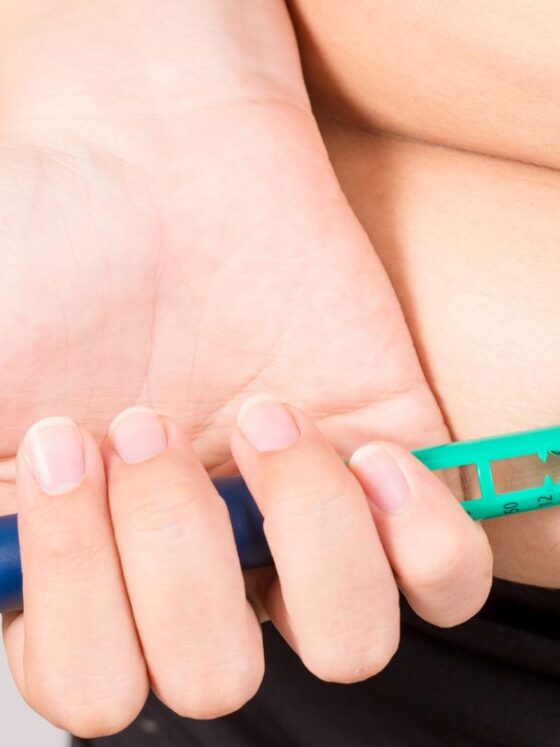
Understanding how to use and store tirzepatide correctly is fundamental for safety and effectiveness. Ask your doctor to show you how to give yourself the injection, where on your body to inject it, and how often you’ll need to take it. Tirzepatide is injected once a week under the skin of your stomach, thigh, or upper arm.
Ask about proper storage. Tirzepatide should be refrigerated until you’re ready to use it. Your doctor can explain what to do if you miss a dose and how to dispose of used needles safely. Following these instructions helps to reduce the risk of complications.
Schedule Your Tirzepatide Consultation Today
Asking these questions during your consultation helps you understand tirzepatide and make an informed decision about your medical weight loss journey. Your doctor is there to guide you through the process and address any concerns you have about starting this treatment. To explore whether this GIP/GLP-1 receptor agonist is right for you, contact a weight loss specialist near you to schedule your consultation today.
- Family Medicine’s Focus on Mental Health and Wellness
- Understanding the Different Types of Arthritis and Their Impact on Daily Life
- The Benefits of Building a Long-Term Relationship with Your Family Doctor
- Tips for Celebrating Milestone Achievements for Children With Cerebral Palsy
- The Role of Peptide Therapy in Modern Health and Wellness