The Connection Between Breast Exams and Breast Health Awareness
Maintaining awareness of one’s body is a key component of personal wellness. Breast health awareness involves understanding the normal appearance and feel of your breasts and recognizing changes. Regular breast examinations are foundational to this awareness. By becoming familiar with breast tissue through routine checks, individuals are better positioned to notice abnormalities.
What Is a Breast Exam?
A breast exam is a physical inspection of the breasts and surrounding tissues to check for any abnormalities. There are two primary types of exams: the breast self-exam (BSE) and the clinical breast exam (CBE). Each serves a distinct purpose in the continuum of care.
A breast self-exam is a technique individuals can perform on their own. The goal of a BSE is to become familiar with the unique characteristics of one’s own breasts. This familiarity makes it easier to detect any new lumps or other deviations from that individual’s normal. The process typically involves both visual inspection in a mirror and manual palpation of the breast tissue in various positions, such as standing and lying down.
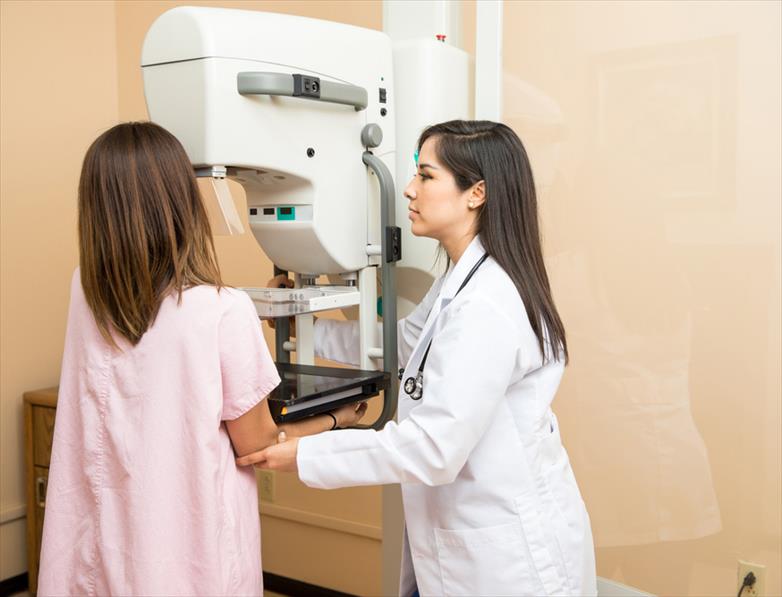
A trained healthcare professional performs a clinical breast exam. During a CBE, the provider methodically checks the breasts for any lumps or other abnormalities. They use the pads of their fingers to apply varying levels of pressure, assessing the entire breast area. A CBE is often more thorough than a self-exam due to the provider’s experience and specific training in detecting subtle changes.
Why Are They Necessary?
Breast exams are a fundamental part of a proactive approach to health. Their necessity lies in their ability to facilitate early detection of potential issues. When changes in breast tissue are identified early, it allows for prompt medical evaluation. This timely assessment can lead to a quicker diagnosis and a wider range of management options if a condition is found.
Regular self-exams empower individuals by giving them a deep understanding of their own bodies. When you know what is normal for you, any deviation stands out more clearly. Clinical breast exams provide a professional assessment that complements self-examinations. A healthcare provider’s trained touch may identify subtle abnormalities that could be missed during a self-exam. These exams are a standard part of a comprehensive wellness visit and serve as a regular checkpoint for breast health.
When Should You See a Doctor?
Guidelines for clinical breast exams can vary based on age and individual risk factors. For many women in their 20s and 30s, a clinical exam may be recommended as part of their regular health check-up, perhaps every one to three years. As women enter their 40s and beyond, these exams might be suggested more frequently. The schedule is tailored to the individual’s personal health history and family medical history.
Factors that might influence the recommended frequency include a personal history of breast conditions or a family history of breast health issues. People with a higher risk profile may be advised to undergo clinical exams more often. It is best to speak with a healthcare provider to establish a personalized screening schedule that aligns with your specific health needs and risk assessment.
Seek Professional Women’s Health Services
Taking an active role in monitoring your health is a responsible practice. Breast health awareness, built through routine self-exams and regular clinical evaluations, is a significant part of this process. A provider can offer a thorough evaluation and determine if any follow-up tests are needed.
- Family Medicine’s Focus on Mental Health and Wellness
- Understanding the Different Types of Arthritis and Their Impact on Daily Life
- The Benefits of Building a Long-Term Relationship with Your Family Doctor
- Tips for Celebrating Milestone Achievements for Children With Cerebral Palsy
- The Role of Peptide Therapy in Modern Health and Wellness