The Connection Between Lifestyle and Varicose Veins
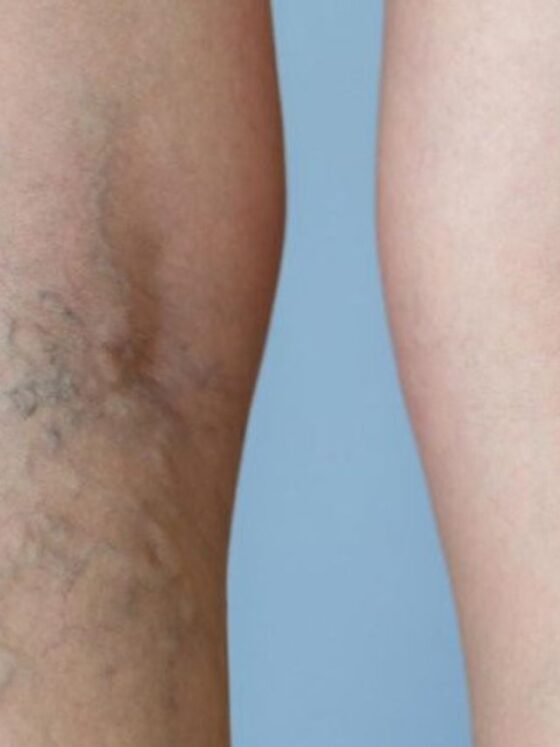
Varicose veins are swollen, twisted veins that are visible just under the skin, and they can cause discomfort. While many factors contribute to their development, certain daily habits can influence your risk. Understanding the connection between your lifestyle and vein health is a practical step. This is how specific lifestyle choices relate to the development of varicose veins:
Being Overweight
Excess body weight puts additional pressure on the veins in your legs, and this increased pressure can weaken the vein walls and valves over time. Veins must work harder to pump blood back to the heart, so they may become enlarged and twisted when they are strained. Managing your weight helps reduce this continuous strain.
Weighing more may make it more difficult for blood to circulate efficiently. This difficulty arises because the added weight directly compresses the venous system in your lower body. Poor circulation is a primary cause of varicose veins, and it can lead to other health problems.
Maintaining a healthy weight benefits both overall circulatory function and general health. When your body is at a manageable weight, your veins do not face unnecessary stress. This allows them to function more effectively, and blood flows more freely.
Smoking Tobacco
Smoking tobacco introduces chemicals into your bloodstream that can harm your circulatory system. These substances can damage the lining of your blood vessels, and they may reduce the elasticity of your vein walls. This damage makes veins more susceptible to bulging and twisting. When blood vessels are less flexible, they struggle to manage blood flow.
The nicotine in tobacco products also causes blood vessels to narrow. This narrowing restricts blood flow, and it increases blood pressure within the veins. Over time, this elevated pressure can weaken vein valves, which leads to blood pooling in the legs. Quitting smoking is a positive step for your vein health.
Avoiding Exercise
Regular physical activity helps maintain strong circulation throughout your body. Inactivity allows blood to pool in the lower legs. When you avoid exercise, your calf muscles may not contract enough to help push blood upward toward the heart. Simple movements can make a difference. Some easy ways to get your legs moving include:
- Taking short walks
- Stretching your ankles and calves
- Doing leg lifts while seated
Standing or Sitting Too Long
Remaining in one position for a long time, whether sitting or standing, can harm your circulation. Gravity makes it more difficult for blood in your legs to flow back to your heart. When you stay still for too long, blood can pool in your leg veins, increasing pressure on the vein walls. Standing or sitting for extended periods forces your veins to work against gravity without the help of muscle movement.
Get Treated for Varicose Veins
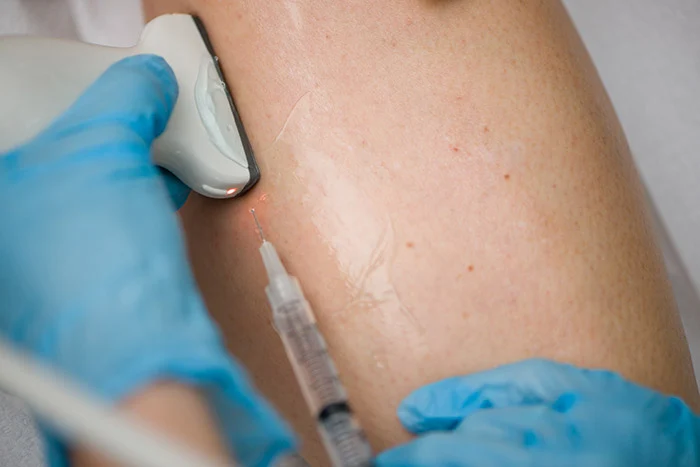
Lifestyle adjustments can support your vein health, but they may not reverse existing varicose veins. If you are experiencing discomfort or are concerned about the appearance of your veins, a professional evaluation is a clear next step. A specialist can diagnose your condition and explain your options. If you are ready to explore treatment options, schedule a consultation with a vein specialist today.
- Family Medicine’s Focus on Mental Health and Wellness
- Understanding the Different Types of Arthritis and Their Impact on Daily Life
- The Benefits of Building a Long-Term Relationship with Your Family Doctor
- Tips for Celebrating Milestone Achievements for Children With Cerebral Palsy
- The Role of Peptide Therapy in Modern Health and Wellness