The Importance of Stretching to Reduce Knee Pain
Knee discomfort impacts mobility and quality of life. While often associated with aging or athletic injuries, joint pain can stem from various mechanical and physiological sources, including arthritis. One significant factor in maintaining joint health involves flexibility. Integrating a consistent stretching routine helps alleviate this tension, promotes better circulation, and supports the joint’s range of motion.
What Causes Knee Pain?
The knee is a complex hinge joint that bears the body’s weight during movement. Because of this heavy load, it remains susceptible to injury and degeneration. Several factors contribute to discomfort in this area.
Muscular Imbalances
When the muscles supporting the knee lack flexibility or strength, they fail to absorb shock effectively. Tight hamstrings pull on the back of the knee, while tight quadriceps pull on the kneecap (patella). These potentially cause misalignment.
Overuse and Repetitive Strain
Repetitive-motion activities cause microtrauma to tissues. Without adequate recovery and flexibility work, this strain accumulates. This can lead to conditions such as patellar tendonitis.
Structural Issues and Arthritis
Osteoarthritis involves the wearing down of protective cartilage. While stretching does not reverse arthritis, stiffness exacerbates the pain associated with it. Other structural problems include meniscal tears or ligament sprains, which often result from sudden twisting motions or direct impact.
How Can It Be Prevented?
Prevention focuses on maintaining the knee’s structural integrity through flexibility and strengthening. A proactive approach minimizes the risk of chronic issues developing. Incorporating stretches for the major muscle groups attached to the knee reduces tension. Using the correct form during exercise protects the joint. Wearing supportive footwear that aligns the foot and ankle also improves knee mechanics. Excess body weight increases the force exerted on the knees during everyday activities like walking or climbing stairs. Maintaining a healthy weight significantly reduces this load, preserving cartilage and reducing inflammation.
How Is It Treated?
When pain occurs, treatment aims to reduce inflammation and restore function. The approach varies based on severity but often starts with conservative measures. Pausing high-impact activities allows damaged tissues to heal. This does not mean complete bed rest, which leads to stiffness. Low-impact movements keep the joint moving without heavy pounding.
Physical Therapy and Stretching
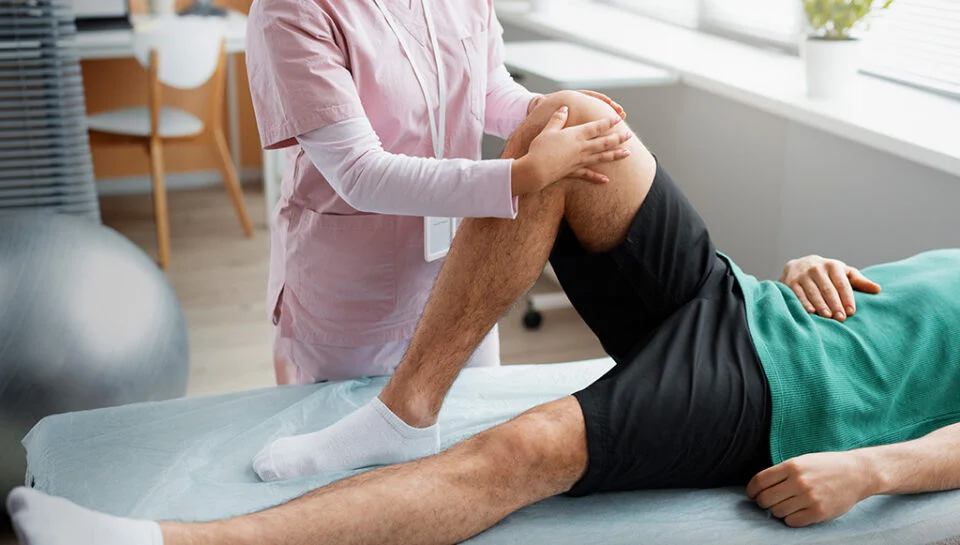
A physical therapist designs specific regimens to target tight areas. Therapeutic stretching differs from general flexibility work. It can isolate specific muscle fibers to release tension safely. Strengthening exercises accompany stretching to stabilize the joint.
Medical Interventions
For persistent cases, doctors recommend anti-inflammatory medications or corticosteroid injections to manage swelling. In severe instances involving structural damage, surgical options become necessary to restore mobility. Procedures that may be utilized include arthroscopy or knee replacement.
Seek Professional Orthopedic Care
While home remedies and stretching provide relief for mild discomfort, persistent or sharp pain requires expert evaluation. An orthopedic specialist can diagnose the underlying cause of knee issues through physical examination and imaging tests. Early diagnosis prevents minor injuries from becoming chronic conditions that severely limit activity. Medical professionals guide patients toward the most appropriate recovery plan, whether that involves specialized physical therapy, bracing, or advanced medical procedures.
- Family Medicine’s Focus on Mental Health and Wellness
- Understanding the Different Types of Arthritis and Their Impact on Daily Life
- The Benefits of Building a Long-Term Relationship with Your Family Doctor
- Tips for Celebrating Milestone Achievements for Children With Cerebral Palsy
- The Role of Peptide Therapy in Modern Health and Wellness