The Role of Urgent Care in Managing Acute Illnesses

The primary purpose of urgent care is to offer accessible medical services for conditions that are not severe enough for emergency care but too pressing to wait for a scheduled appointment with a primary care doctor. Medical teams at these clinics are prepared to diagnose and manage a variety of sudden health concerns. These centers contribute to a more efficient healthcare landscape. They allow emergency rooms to focus on the most severe cases while still offering patients a reliable setting for immediate medical needs.
What Injuries Does Urgent Care Treat?
Urgent care clinics are designed to evaluate and manage a spectrum of acute injuries. The scope of treatment typically includes conditions that are uncomfortable or impair function but are not limb- or life-threatening. Patients often visit these centers for musculoskeletal issues, such as sprains and strains that result from falls or physical activity. Minor fractures may also be diagnosed and stabilized at an urgent care facility.
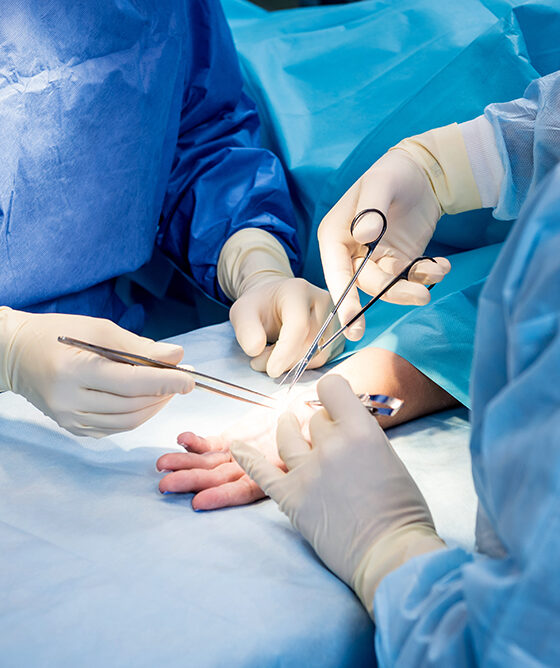
Skin and soft tissue injuries are another common reason for visits. This category includes minor lacerations that may need cleaning and closure with sutures or skin adhesives. Patients with minor burns can also receive initial treatment. Contusions, or bruises, that cause significant pain or swelling are often evaluated at these centers.
When Should You Seek Treatment?
Deciding when to seek treatment for an injury depends on the nature and severity of the symptoms. General indicators that suggest a need for medical evaluation include the sudden onset of pain and visible swelling. An inability to bear weight on an ankle after twisting it or difficulty moving a wrist after a fall could prompt a visit to an urgent care clinic. These symptoms may point to an injury that would benefit from a professional assessment.
Wounds that require thorough cleaning or closure are also appropriate for urgent care evaluation. If a cut is deep, gaping, or contains debris, a medical professional can properly cleanse it. This reduces the risk of infection and determines if sutures are needed. Any injury that causes persistent discomfort or does not improve with basic home care might also be a reason to seek a medical opinion. It is worth noting that severe symptoms, such as signs of a serious head injury, may require the comprehensive services of a hospital emergency department.
How Are Injuries Treated?
Upon arrival at an urgent care clinic, the treatment process for an injury typically begins with a thorough evaluation by a healthcare provider. This assessment includes a physical examination of the affected area and a discussion of how the injury occurred. To aid in diagnosis, many care centers have imaging capabilities, such as on-site X-ray machines. This enables the medical team to promptly identify fractures, dislocations, or other internal issues.
Based on the diagnosis, a treatment plan is developed. This may involve meticulous cleaning, the removal of foreign material, and closure with stitches for wounds. For sprains, strains, or minor fractures, the team might provide splinting or bracing to stabilize the injured area and promote healing.
Seek Care at a Clinic
For individuals facing non-life-threatening acute injuries, seeking care at a clinic offers several benefits. The accessibility of urgent care centers provides a timely alternative to waiting for a primary care appointment. This prompt attention can lead to a quicker diagnosis and the initiation of treatment, which is helpful for managing pain and supporting recovery. These clinics are positioned to handle a distinct level of medical needs.
- Family Medicine’s Focus on Mental Health and Wellness
- Understanding the Different Types of Arthritis and Their Impact on Daily Life
- The Benefits of Building a Long-Term Relationship with Your Family Doctor
- Tips for Celebrating Milestone Achievements for Children With Cerebral Palsy
- The Role of Peptide Therapy in Modern Health and Wellness