Understanding How Sports Physicals Can Improve Athletic Performance
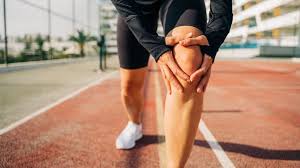
A sports physical, or a pre-participation physical examination (PPE), is a routine check-up that helps determine if an athlete is medically cleared to participate in a specific sport. Health professionals complete this evaluation before a new season or activity starts. By reviewing an athlete’s general health, current fitness level, and risk of injury, this process supports safe participation in athletic activities. Here is some information about how sports physicals help improve athletic performance:
Create a Foundation for Safety
Athletic safety often begins with a thorough sports physical. The initial step involves gathering personal and family medical history. This helps safeguard against preventable health complications, enabling athletes to participate with minimal risk. Healthcare providers ask about previous:
- Injuries
- Illnesses
- Surgeries
- Allergies
- Chronic conditions
The physical examination focuses on measuring height, weight, blood pressure, and pulse to verify that vital signs are stable. They may also examine the heart and lungs to detect signs of potential health concerns that are not apparent in daily life. A heart murmur or irregular pulse may not cause symptoms, except under stress, such as during intense exercise. Vision and hearing checks could also be included to determine if athletes require corrective measures to enhance their performance. Issues discovered during the screening may lead to recommendations for more detailed testing or referrals to specialists.
Assess Fitness
Sports physicals play a valuable role in assessing an athlete’s fitness by evaluating physical maturity and overall readiness to meet the demands of their sport. The provider observes posture, coordination, and muscle strength. Paying attention to joint stability can help pinpoint areas that might require focused attention during training. Physical assessments also reveal areas of weakness. Limited shoulder mobility may challenge a swimmer or baseball player, while a soccer athlete with weaker hamstrings might be at greater risk of muscle strains. By learning about specific limitations, customized training routines can be developed. Strengthening less resilient muscle groups or working on flexibility and balance can lead to a more balanced athletic form.
Guide Injury Prevention
A practical advantage offered by sports physicals is the guidance they provide for injury prevention. Details gathered during the exam reveal possible risk factors unique to each athlete. Personalized advice may range from suggested warm-up routines to reminders about footwear choices or adapting practice intensity.
Regular sports physicals also help monitor an athlete’s overall health, catching potential issues early. An athlete with recurring knee discomfort may benefit from targeted strengthening and stretching exercises. Discussions during the visit can also include topics such as hydration habits, proper nutrition, and signs of overtraining. These conversations offer actionable advice, equipping athletes with knowledge to care for their own health.
Schedule Sports Physicals Today
Scheduling a sports physical is a proactive way to support your athletic journey. The examination establishes a reliable health baseline, assesses your current fitness, and provides you with personalized strategies to minimize injury risks. Understanding your body’s needs and capabilities allows you to prepare more effectively for training and competition. Contact a family medicine doctor today to schedule your sports physical.
- Family Medicine’s Focus on Mental Health and Wellness
- Understanding the Different Types of Arthritis and Their Impact on Daily Life
- The Benefits of Building a Long-Term Relationship with Your Family Doctor
- Tips for Celebrating Milestone Achievements for Children With Cerebral Palsy
- The Role of Peptide Therapy in Modern Health and Wellness