Understanding the Benefits and Risks of Tubal Reversal

Tubal reversal is a surgical procedure that restores fertility by reconnecting the fallopian tubes after a tubal ligation. For women who wish to conceive naturally again, this procedure offers new possibilities, but it also comes with certain risks and concerns. Here’s what to know about the potential benefits and risks of tubal ligation reversal:
Tubal Reversal Overview
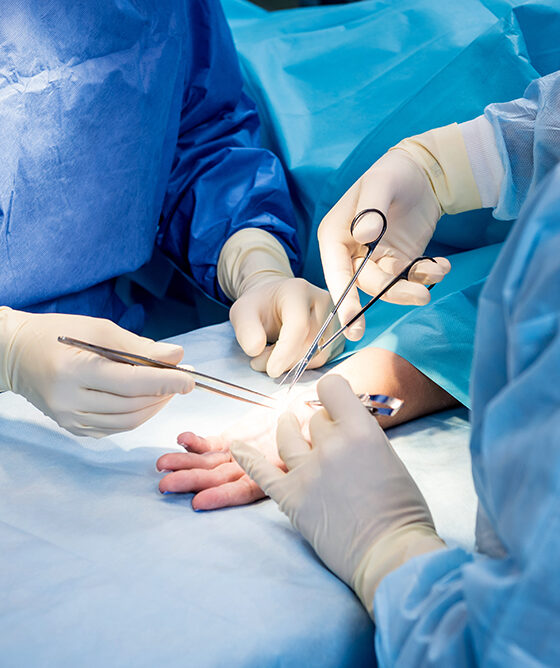
A tubal reversal is a microsurgical procedure that aims to restore fertility after a tubal ligation. The surgeon re-opens, unblocks, or reconnects the fallopian tubes. This allows an egg to travel from the ovary and sperm to travel up the tube to fertilize the egg. The procedure is performed under general anesthesia, and it requires a high degree of surgical skill.
During the surgery, the surgeon makes a small incision, usually a “bikini cut” just above the pubic hairline. The blocked or damaged sections of the fallopian tubes are carefully removed. The healthy remaining segments are meticulously stitched back together using very fine sutures.
Benefits of Tubal Ligation Reversal
Contemplating a tubal ligation reversal involves weighing the potential benefits against the risks. For many women, the possibility of conceiving naturally is a significant advantage. Here are some key benefits of this procedure
- Opportunity for Natural Conception: One of the primary benefits of a tubal reversal is the potential to become pregnant naturally, without the need for fertility treatments like in vitro fertilization (IVF).
- Potential for Multiple Pregnancies: Unlike IVF, which typically results in a single pregnancy per treatment cycle, a successful tubal ligation reversal allows for the possibility of having more than one child over time.
- Avoiding Repeated Fertility Treatments or Medications: Tubal ligation reversal eliminates the need for ongoing fertility treatments or medications associated with procedures like IVF.
These benefits make tubal ligation reversal an appealing option for many women who wish to restore their natural fertility.
Risks and Concerns
While tubal reversal offers a chance to restore fertility, it is a surgical procedure and comes with potential risks and concerns. Here are some of the fundamental risks to evaluate:
- Ectopic Pregnancy: Ectopic pregnancy happens when a fertilized egg implants outside the uterus, most commonly in the fallopian tube.
- Surgical Complications: As with any surgery, there are risks associated with anesthesia, infection, bleeding, and injury to surrounding organs.
- Possibility of Unsuccessful Reversal: The fallopian tubes may not function properly after reconnection.
- Success Rates Vary: The chance of a successful pregnancy after a tubal reversal is influenced by several factors.
A thorough discussion with a fertility specialist is key to understanding these risks and determining if a tubal reversal is the right choice for you.
Recovery and Long-term Outlook
The recovery period after a tubal reversal requires careful attention to post-operative instructions. Most patients can return home on the same day of the surgery, while others may require a short hospital stay for observation. Pain and discomfort are common in the first few days and can be managed with prescribed medication. Patients are advised to avoid strenuous activities and heavy lifting for several weeks to allow the body to heal properly. The results of a tubal ligation reversal vary widely, and couples can usually begin trying to conceive after their first menstrual cycle following the surgery.
Learn More About Tubal Reversal
Deciding to undergo a tubal ligation reversal is a significant choice that requires weighing various benefits and risks. The procedure offers the potential to restore natural fertility and allow for multiple pregnancies. It is also a major surgery with inherent risks. If you are contemplating a tubal ligation reversal, contact a fertility specialist near you to schedule a consultation and learn more about the procedure.
- Family Medicine’s Focus on Mental Health and Wellness
- Understanding the Different Types of Arthritis and Their Impact on Daily Life
- The Benefits of Building a Long-Term Relationship with Your Family Doctor
- Tips for Celebrating Milestone Achievements for Children With Cerebral Palsy
- The Role of Peptide Therapy in Modern Health and Wellness