What Is TMS and How It Is Used to Treat Depression
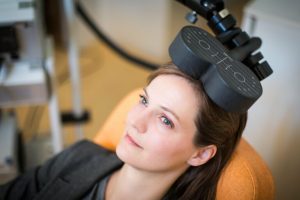
Transcranial Magnetic Stimulation (TMS) is a non-invasive procedure used to address symptoms of depression in adults. Instead of surgery or medication, TMS uses targeted magnetic fields to stimulate specific nerve cells in the brain. This offers another option for people who have not found relief from depression through other avenues like therapy or antidepressant medications. Here is some more information about TMS and how it’s used to treat depression:
How Does TMS Work?
TMS therapy focuses on the prefrontal cortex, a region of the brain associated with emotions and mood regulation. During each session, a device with an electromagnetic coil is placed gently against your scalp, typically just above your forehead. When the machine is turned on, it delivers a series of magnetic pulses through the skull, reaching a depth in the brain that targets nerve cells believed to be involved in depression.
These magnetic pulses are similar in intensity to those used in MRI scans. They are brief and repetitive, known as “repetitive TMS” (rTMS). The procedure does not require anesthesia or surgery; many people experience sensations described as light tapping or mild discomfort during the treatment. Over several sessions, these pulses aim to adjust activity in specific brain circuits, influencing patterns that can contribute to depressive symptoms. The shifts in neural activity caused by TMS may persist beyond the treatment, but responses vary.
What Does Treatment Look Like?
A standard course of TMS therapy typically involves attending several sessions per week for several weeks. Treatment can last between 20 and 40 minutes, and the total number of sessions depends on the individual’s diagnosis, progress, and the protocol chosen by their healthcare provider. Some individuals may require additional sessions for maintenance, depending on their response to initial treatment. During an appointment, you will remain fully awake, seated in a comfortable chair in a clinical setting. The healthcare provider will position the TMS device on your scalp; you might hear a series of clicking or tapping sounds as the coil is activated. Since the treatment does not affect memory or cognition and does not require sedation, you are usually able to return to your regular activities, such as working or driving, after the session.
When Is It Recommended?
TMS is generally suggested for adults diagnosed with major depressive disorder who have not experienced sufficient improvement after trying at least one antidepressant. This is often called “treatment-resistant depression” because standard treatments have not brought the desired results. TMS may also be explored for those who:
- Experience significant side effects from medications
- Prefer to avoid drug-based treatments
- Struggle with anxiety
- Are navigating PTSD
- Have OCD
Deciding whether TMS is suitable involves evaluating your current symptoms, past responses to medications, and your overall medical history. It does not replace psychotherapy or other supportive treatments but may be added to a comprehensive depression care plan. For safety, individuals with metal implants or a history of seizures may not be candidates for TMS, and a detailed medical review helps guide this decision.
Work With a Neurologist Today
TMS therapy offers a structured, non-drug-based approach that may be ideal if other treatments have not provided relief. A neurologist provides a comprehensive assessment and guides you through each step of treatment. Contact a neurologist today to schedule a TMS consultation and learn if this treatment is right for you.
- Family Medicine’s Focus on Mental Health and Wellness
- Understanding the Different Types of Arthritis and Their Impact on Daily Life
- The Benefits of Building a Long-Term Relationship with Your Family Doctor
- Tips for Celebrating Milestone Achievements for Children With Cerebral Palsy
- The Role of Peptide Therapy in Modern Health and Wellness