What To Know About Spine Surgery for Scoliosis
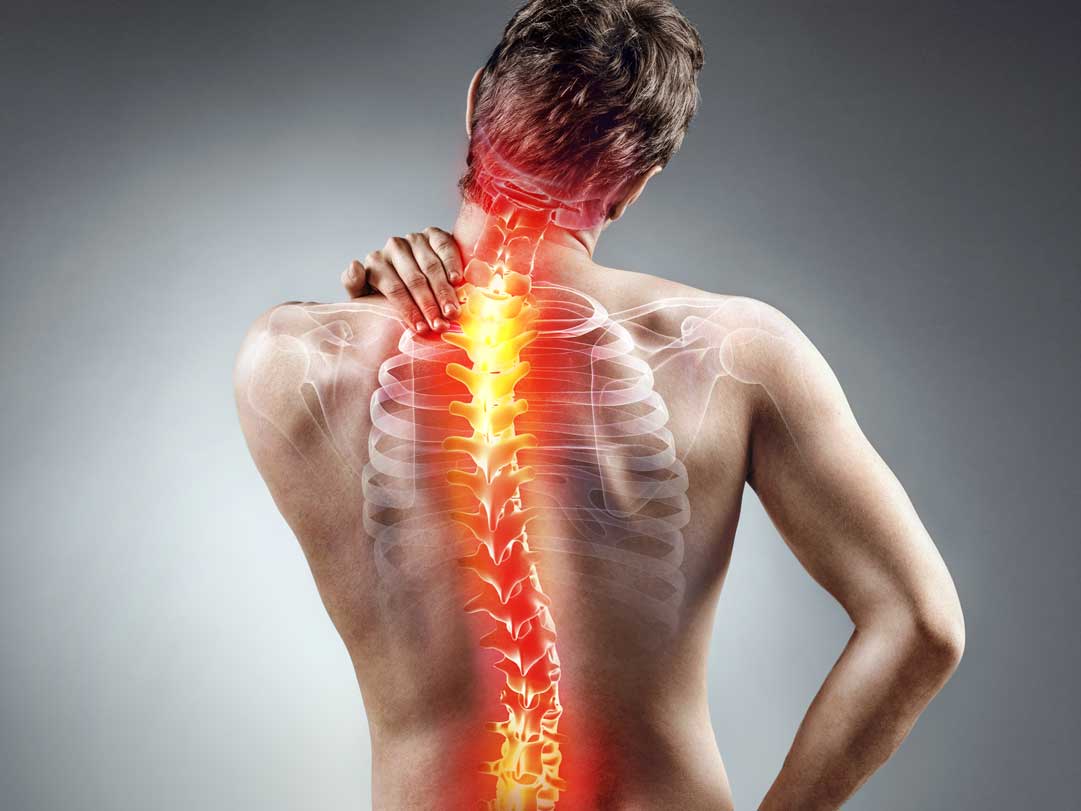
Scoliosis is a spinal condition that affects millions, and for some, surgery is a recommended treatment path. Understanding this condition and the surgical options available is the first step toward managing it. Here is more information about scoliosis, what causes it, and what spine surgery entails for those evaluating it:
What Is Scoliosis?
Scoliosis is a medical condition characterized by an abnormal sideways curvature of the spine, often presenting as an “S” or “C” shape. While some cases are mild and do not require intervention, severe curvatures can cause discomfort and affect physical function. In cases where the curve is significant or progressive, a healthcare provider may recommend spine surgery to correct the alignment and prevent further complications.
What Causes It?
The cause of most scoliosis cases is unknown; this condition is referred to as idiopathic scoliosis, and it typically appears during the growth spurt just before puberty. Other cases can be linked to conditions such as cerebral palsy or muscular dystrophy, birth defects affecting the development of the spine, or injuries to the spine. A thorough medical evaluation helps determine the underlying cause.
What Is Spine Surgery?
Spine surgery for scoliosis aims to correct the spinal curve and stabilize the spine to prevent worsening, and a standard procedure is spinal fusion. During a spinal fusion, the surgeon straightens the spine using rods and screws, then fuses two or more vertebrae. This process creates a single, solid bone, which stops the progression of the curve.
The primary goal of the surgery is to create a more balanced spine, and the instrumentation helps stabilize the spine while the bones heal and fuse. Your surgical team will discuss the specifics of the procedure with you. They may also explain the type of hardware that will be used.
What Does It Involve?
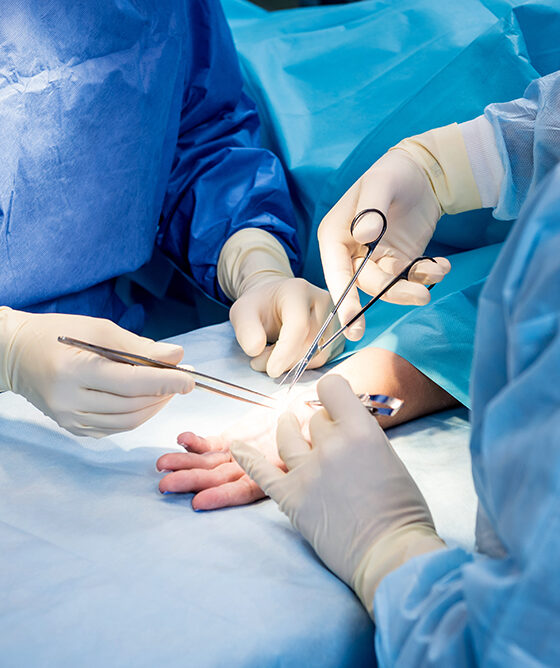
Spine surgery is a major procedure performed under general anesthesia, so you will be asleep throughout the operation. The surgeon makes an incision to access the spine, and then they carefully place metal rods, hooks, screws, or wires to help straighten and stabilize it. Bone grafts are placed to encourage the vertebrae to fuse together over time.
Following the surgery, you will spend several days in the hospital for monitoring and initial recovery, and the medical staff will manage any discomfort. A physical therapy program is typically started to help you regain strength and mobility, thereby facilitating recovery. Your surgeon will provide detailed instructions for your care after you leave the hospital.
What Are the Benefits?
The primary benefit of surgery for scoliosis is correcting the spinal curvature, which can halt the progression of the deformity. This can lead to a more balanced posture and appearance, and it helps alleviate pain associated with the curve. By stabilizing the spine, the surgery also helps prevent long-term complications that can arise from severe scoliosis. Another benefit is the potential for improved quality of life, as correcting the curve can make physical activities easier.
Know What To Expect
Spine surgery for scoliosis is a medical procedure with a structured recovery process, and understanding the details helps you prepare. The surgery aims to correct the spinal curve and improve function, offering long-term benefits for individuals with severe scoliosis. Discussing the procedure, its benefits, and the recovery with your healthcare provider will help you make an informed decision.
- Family Medicine’s Focus on Mental Health and Wellness
- Understanding the Different Types of Arthritis and Their Impact on Daily Life
- The Benefits of Building a Long-Term Relationship with Your Family Doctor
- Tips for Celebrating Milestone Achievements for Children With Cerebral Palsy
- The Role of Peptide Therapy in Modern Health and Wellness