What To Know About Uterine Fibroids
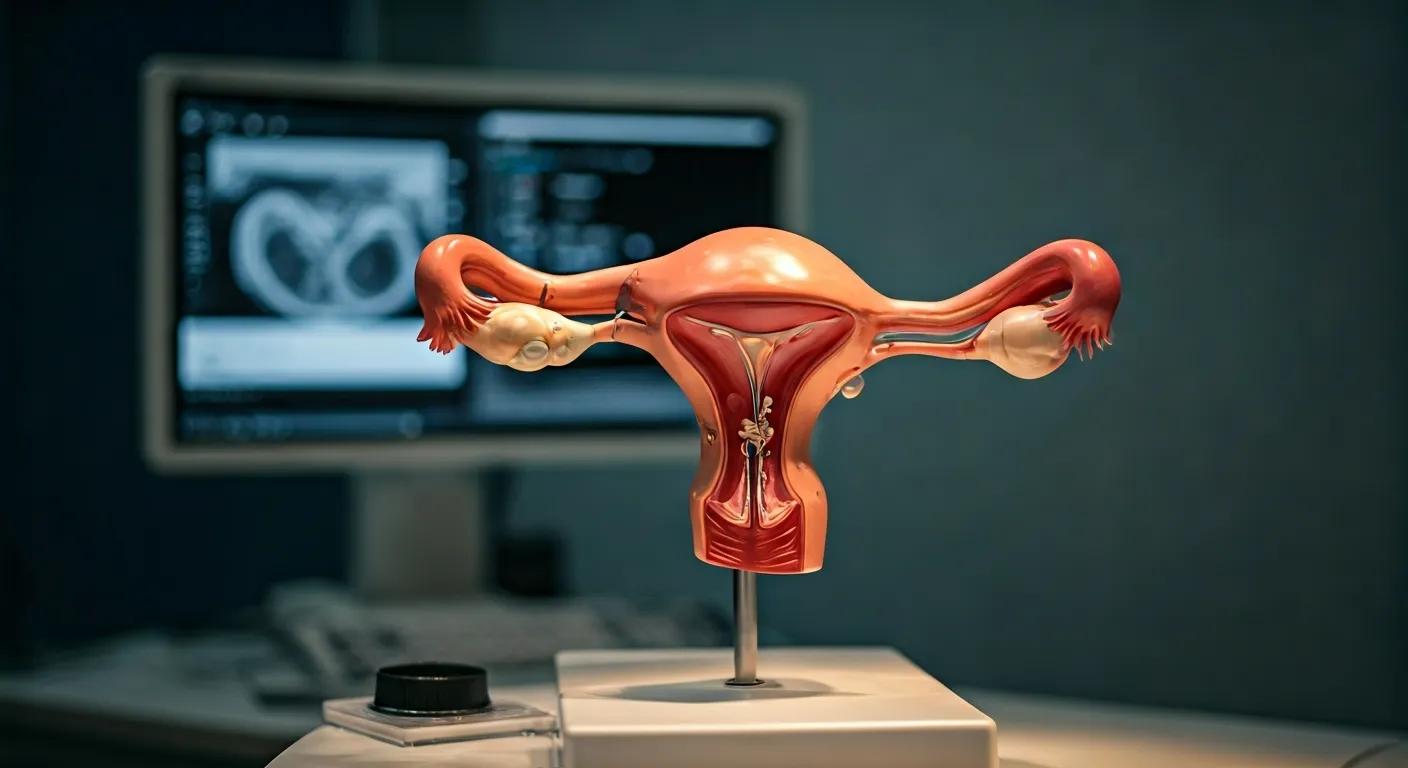
Uterine fibroids are a common concern in gynecology, affecting women at different stages of life. These noncancerous growths can cause symptoms like heavy periods or none at all. Gynecology focuses on identifying fibroids early and helping patients manage discomfort in ways that fit their needs. Here’s what to know about uterine fibroids:
What Are Uterine Fibroids?
Uterine fibroids, also known as leiomyomas or myomas, are muscular tumors that grow in the wall of the uterus. These growths are almost always benign, or noncancerous. Fibroids can vary in size, from seedlings that are undetectable to the human eye to bulky masses that can distort and enlarge the uterus. You can have a single fibroid or multiple ones, and they are usually located in different parts of the uterus.
The exact cause of uterine fibroids is unknown, but research and clinical experience point to a few factors. Hormones appear to promote the growth of fibroids. There may also be a genetic component, as fibroids often run in families. Some women have uterine fibroids at some point in their lives, but many are unaware of them because they often cause no symptoms.
What Symptoms Should You Notice?
While many women with uterine fibroids experience no symptoms, others may have issues that affect their well-being. The symptoms can be influenced by the location, size, and number of fibroids. Here are some common symptoms associated with uterine fibroids:
- Heavy menstrual bleeding or periods lasting more than a week.
- Pelvic pressure or pain.
- Frequent urination or difficulty emptying the bladder.
- Constipation.
- Backache or leg pains.
If you are experiencing any of these symptoms, it is helpful to consult with a gynecology specialist. They can determine if uterine fibroids are the cause and discuss the next steps for your health care.
How Do Specialists Diagnose Fibroids?
Diagnosing uterine fibroids often begins during a routine pelvic exam. Your gynecology specialist may feel irregularities in the shape of your uterus, which suggests the presence of fibroids. To confirm a diagnosis, your doctor may recommend further testing, and these tests provide a clearer picture of your condition.
Ultrasound is the most common imaging modality used to confirm fibroids. This test uses sound waves to create an image of your uterus, confirm the diagnosis, and map and measure fibroids. If an ultrasound doesn’t provide enough information, your doctor may order other imaging tests. These can include a magnetic resonance imaging (MRI) scan, which show fibroids’ size and location in more detail.
What Treatment Options Are Available?
Once uterine fibroids are diagnosed, your gynecology specialist will discuss treatment options with you. The approach will depend on your age, the size and location of the fibroids, and the severity of your symptoms. If you have no symptoms, you may not need any treatment at all, and your doctor will suggest watchful waiting. If you are experiencing symptoms, here are treatment options your specialist may recommend:
- Medications: Certain medications can target hormones that regulate your menstrual cycle, helping to treat symptoms such as heavy bleeding and pelvic pressure.
- Minimally Invasive Procedures: Procedures like MRI-guided focused ultrasound surgery can destroy fibroids without requiring major surgery.
- Surgical Procedures: In some cases, where surgery is the best option, the specialist may recommend a myomectomy or hysterectomy.
It is helpful to discuss the risks and benefits of each option with your provider. Your treatment plan will be tailored to your specific needs and health goals.
Book Your Gynecology Visit Today
Uterine fibroids are a frequent concern in women’s health care, but they are manageable with the right knowledge and support. Understanding the nature of fibroids, recognizing their symptoms, and being aware of the diagnostic and treatment processes are key steps toward managing your health. For concerns about uterine fibroids or related symptoms, contact a trusted gynecology specialist near you to book your gynecology visit today.
- Family Medicine’s Focus on Mental Health and Wellness
- Understanding the Different Types of Arthritis and Their Impact on Daily Life
- The Benefits of Building a Long-Term Relationship with Your Family Doctor
- Tips for Celebrating Milestone Achievements for Children With Cerebral Palsy
- The Role of Peptide Therapy in Modern Health and Wellness