What To Look for in a Skilled Orthopedic Surgeon
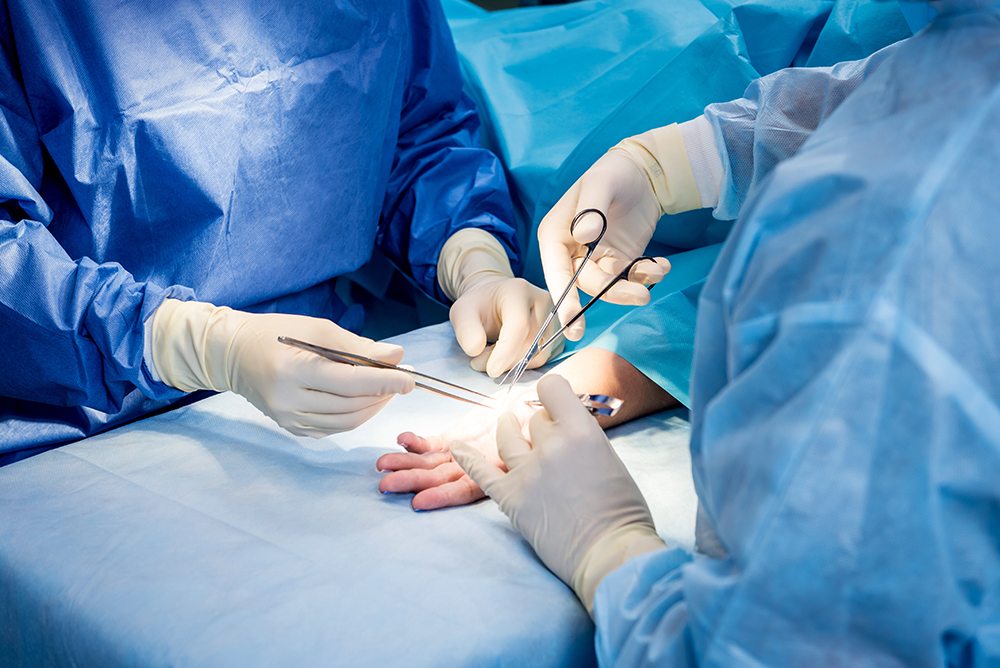
Choosing the right specialist is a significant step in achieving effective musculoskeletal care and successful treatment outcomes. An orthopedic surgeon possesses the expertise and clinical approach needed to accurately diagnose conditions and recommend appropriate treatment options. Here’s more information on what to look for in a skilled orthopedic specialist:
Evaluating Surgeon Experience
A fundamental indicator of an orthopedic surgeon’s capability is their educational background and specific certifications. Here are some of the key components of their experience you should evaluate:
- Board certification demonstrates that the doctor has passed rigorous exams and maintains high standards of practice.
- Fellowship training indicates extra study in a specific area, such as sports medicine, trauma, or joint replacement.
- Years of practice provide the surgeon with practical experience handling a wide variety of complex cases.
- Experience with specific technologies, such as robotic-assisted surgery, is helpful for precision procedures.
These demonstrate that the orthopedic surgeon can handle your condition safely and effectively.
Diagnosing and Treating Conditions
A skilled orthopedic surgeon generally begins with a thorough evaluation of your medical history and current symptoms. They will ask detailed questions about the location and severity of your pain and physically examine the affected area to assess the range of motion. Diagnostic imaging, such as X-rays or MRIs, is often used to visualize the internal structure of bones and joints. This data allows the surgeon to arrive at an accurate diagnosis.
A reputable surgeon explores conservative options such as physical therapy, medication, or injections before recommending a surgical procedure. If surgery becomes necessary, the surgeon explains the specific procedure and the technology involved. Advanced techniques, such as minimally invasive arthroscopy or robotic surgery, optimize precision and tissue healing.
Supporting Care and Patient Communication
Effective communication is a key component of the patient-doctor relationship. An orthopedic surgeon should listen attentively to your concerns and answer your questions without rushing the appointment. You should feel comfortable discussing your symptoms and lifestyle goals with your provider.
The surgeon must explain complex medical terms in easy-to-understand language. They should clearly outline the diagnosis so you know exactly what is happening in your body. They should also detail the steps in your treatment plan. Support from the medical staff also plays a role in your overall experience. The administrative team and nurses should treat patients with respect and be efficient.
Guiding Long-term Recovery
Recovery is a continuous process that requires structured guidance from the medical team after the initial treatment or surgery. Here’s what you can expect from your orthopedic surgeon regarding recovery:
- Detailed post-operative instructions to prevent complications such as infection or poor healing.
- Referrals to physical or occupational therapy to restore strength and mobility.
- Pain management protocols to maintain comfort during the healing process.
- Scheduled follow-up appointments to monitor progress and address new issues that arise.
This helps achieve the best possible long-term outcome for your joint health.
Consult an Orthopedic Surgeon Today
Choosing the right medical professional requires evaluating their experience, treatment philosophy, and communication skills. A skilled orthopedic specialist prioritizes your mobility and quality of life through tailored care. Contacta certified orthopedic specialist in your area to schedule your consultation today.
- Family Medicine’s Focus on Mental Health and Wellness
- Understanding the Different Types of Arthritis and Their Impact on Daily Life
- The Benefits of Building a Long-Term Relationship with Your Family Doctor
- Tips for Celebrating Milestone Achievements for Children With Cerebral Palsy
- The Role of Peptide Therapy in Modern Health and Wellness